The Manila issue
How to Cross Manila Without Losing Half a Day
Manila stacks its transport in layers: an elevated tollway, three rail lines, a segregated bus lane and motorcycles that filter through the gaps. Knowing which one to use turns a two-hour crawl into twenty minutes.

By Mariana FonsecaIntramuros walls to the last ferry out
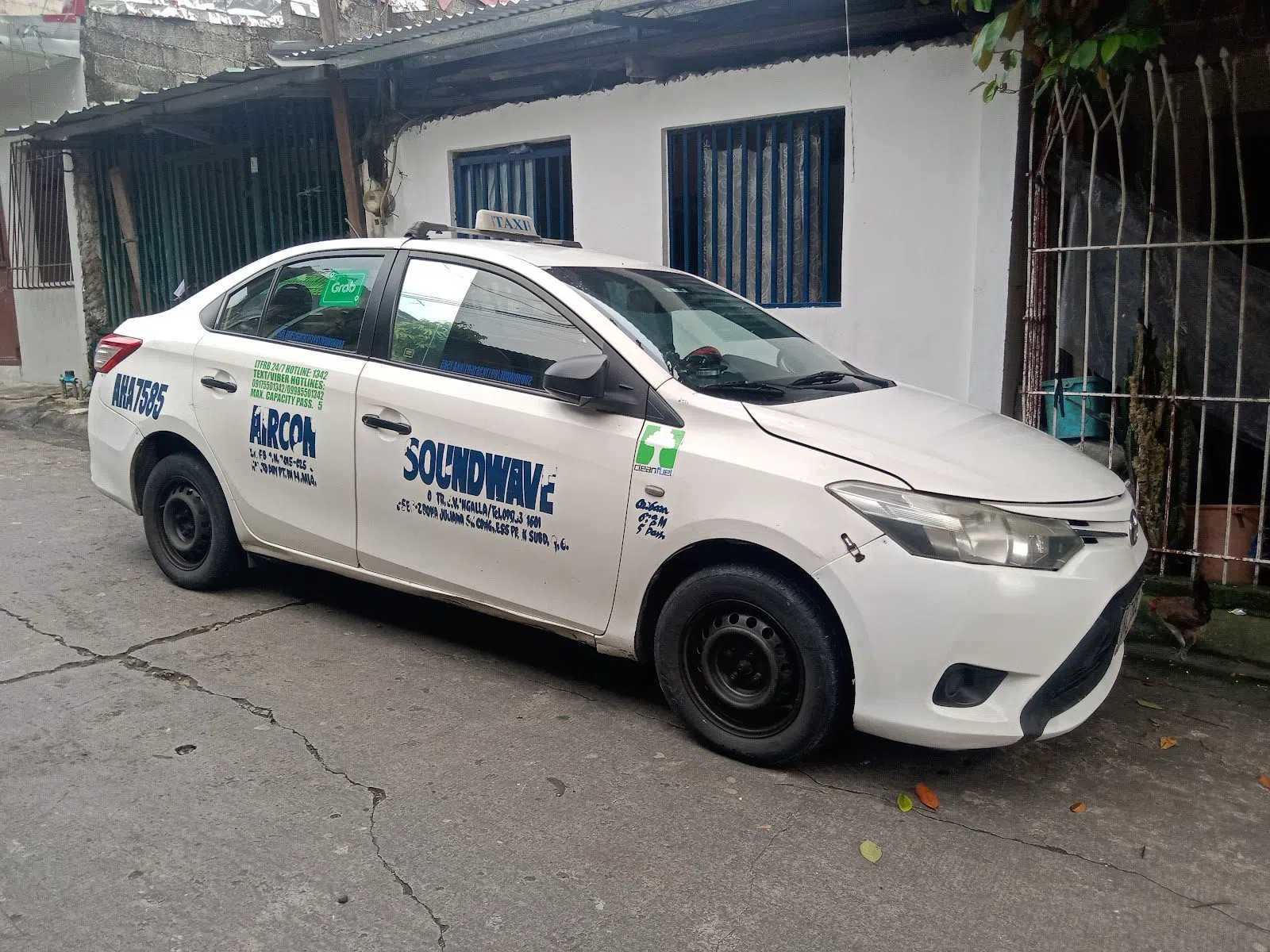
The walled city sits about eight kilometres from Makati, and the trip takes twenty minutes or a hundred depending on which layer of the city you travel in. Metro Manila stacks its transport: an elevated toll road runs above the jams, light rail beside them, a segregated bus lane down the spine of EDSA, and motorcycles filter through the gaps between stalled bumpers. Visitors who lose a whole afternoon are almost always the ones who stayed at street level, in a car, at the wrong hour.
Getting out of the airport
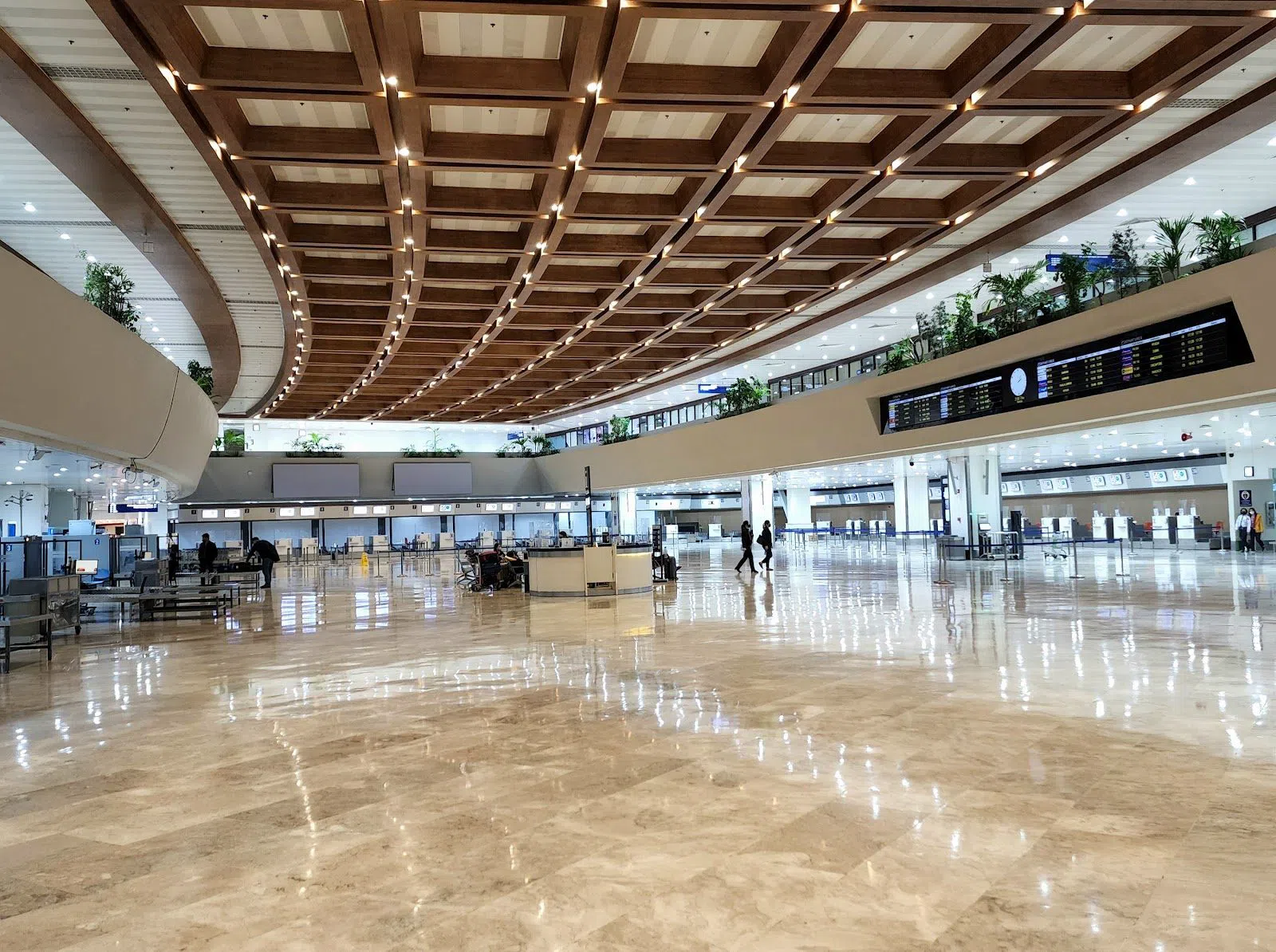
Ninoy Aquino International is not one building. Its terminals sit on opposite sides of a runway complex with no walkway and no train between them, and road is the only connection. If you have been dropped at the wrong one, the fix is the NAIA Inter-Terminal Shuttle (looping Terminals 1, 2 and 3), which runs 24 hours and comes every 15 minutes at peak; the operator recently added eight new minibuses to the fleet. It is free, but seats are not guaranteed to everyone: priority goes to same-day connecting passengers holding a boarding pass, and other travellers board subject to space. With ninety minutes to a departure gate, do not gamble on that. Pay for a car.
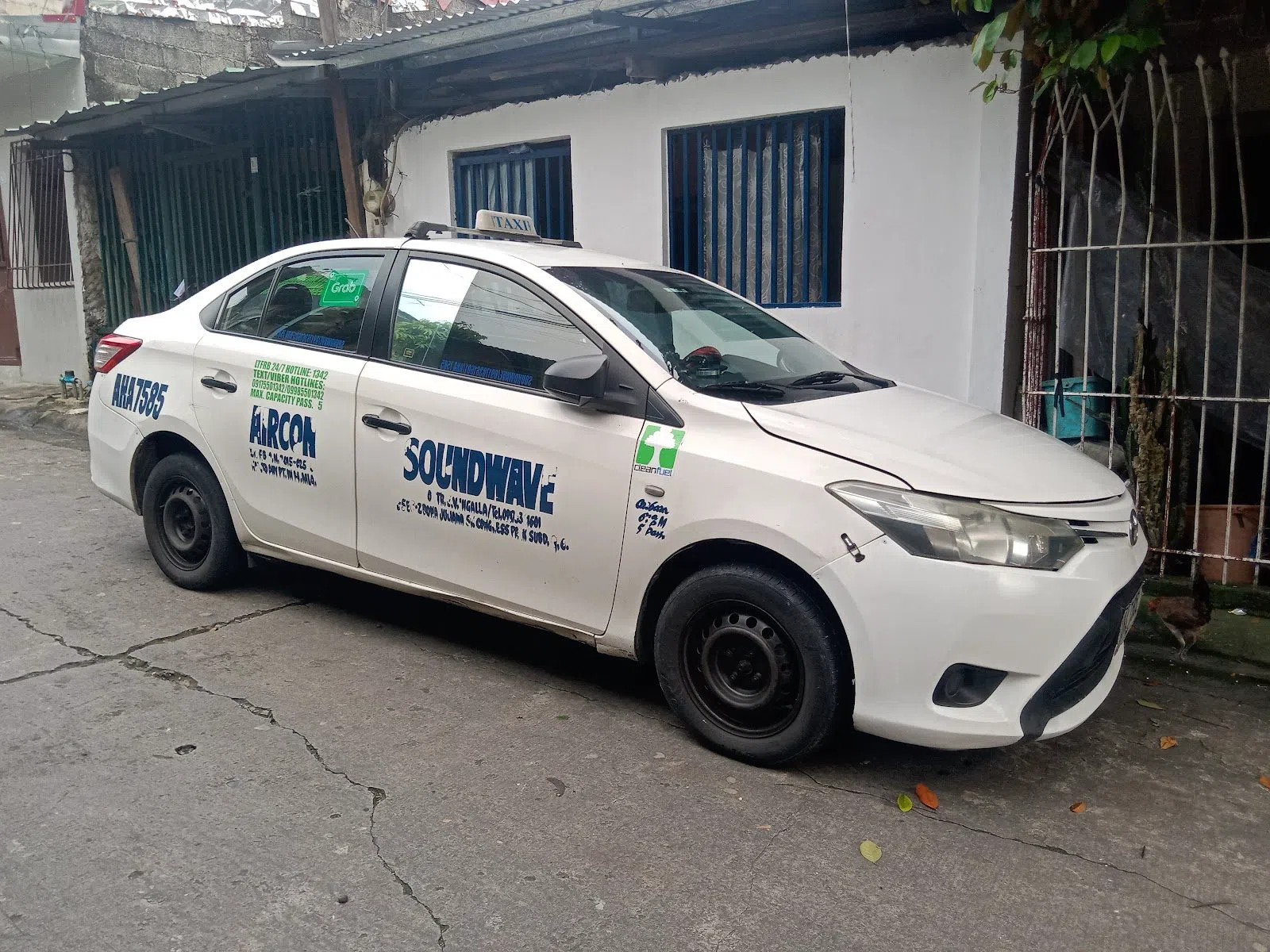
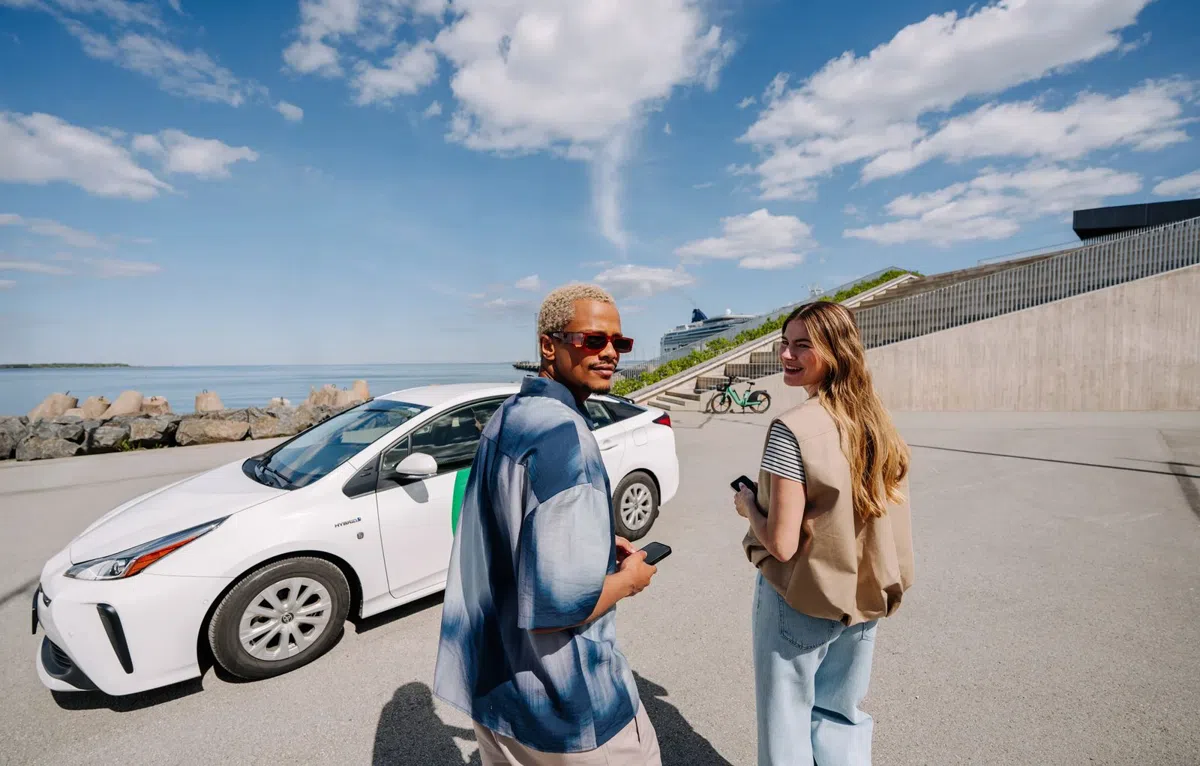
The default car is Grab (GrabCar / GrabTaxi) (booths at every terminal, coverage across the metro). The app fixes the fare before the driver arrives, which removes the whole negotiation ritual at the kerb, and the price to Makati or Ermita usually lands between ₱250 and ₱700. In heavy rain it surges past ₱1,000, and rain here is not a rare event. Families and anyone with real luggage should choose the 6-seater GrabCar; a party of six or eight simply books two cars from the same booth rather than trying to squeeze one. The trade-off is that a Grab sits in exactly the same traffic as every other car, so it buys comfort and a fixed price, not speed.
If you land without a working data connection, JoyRide (staffed desk inside Terminal 3 arrivals) is the one to know. Its four-wheel and airport-transfer service takes small groups with bags and quotes the price at the desk, so you get a fixed number without queuing outside or hunting for a signal; expect several hundred pesos depending on distance. Its motorcycles, from around ₱70 for a short hop, are single-rider only and irrelevant with suitcases.
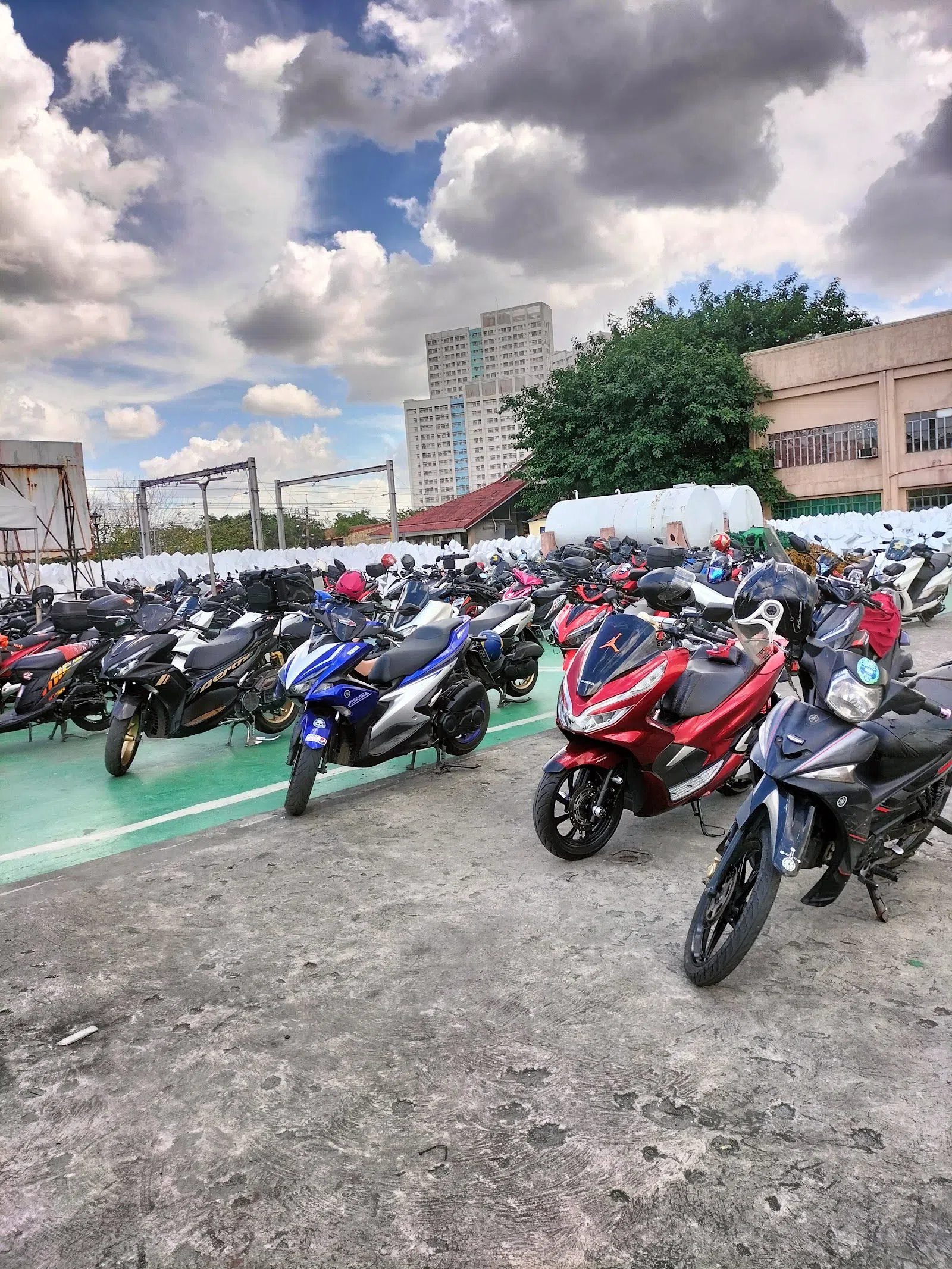
UBE Express (terminal loop and the PITX connection) needs a clear head. It still runs proper coaches with luggage holds, takes cash, beep or an online booking, and charges ₱50 for the terminal loop and ₱150 to PITX. But the runs that once carried arrivals into the centre (Robinsons Place Manila, Araneta Cubao and One Ayala) are suspended. Its value now is moving between terminals with bags and reaching the southern landport, not getting you to a hotel door.
Plan your Manila trip
Live prices from our booking partners.
Free cancellation on many rooms. We may earn a commission when you book.
The eighteen kilometres that skip EDSA entirely
The most useful thing a visitor can say to a driver is that they would like to take the Skyway. Skyway Stage 3 (SMC Tollways) (elevated across the metro, linking SLEX to NLEX) is an 18.8 km viaduct built directly above the congested city, and in light conditions it crosses the whole metropolitan area in under thirty minutes while bypassing EDSA completely. Cars and vans pay the Class 1 rate, roughly ₱129 to ₱264 depending on the segments used, with the NAIA Expressway link adding ₱35 to ₱45.
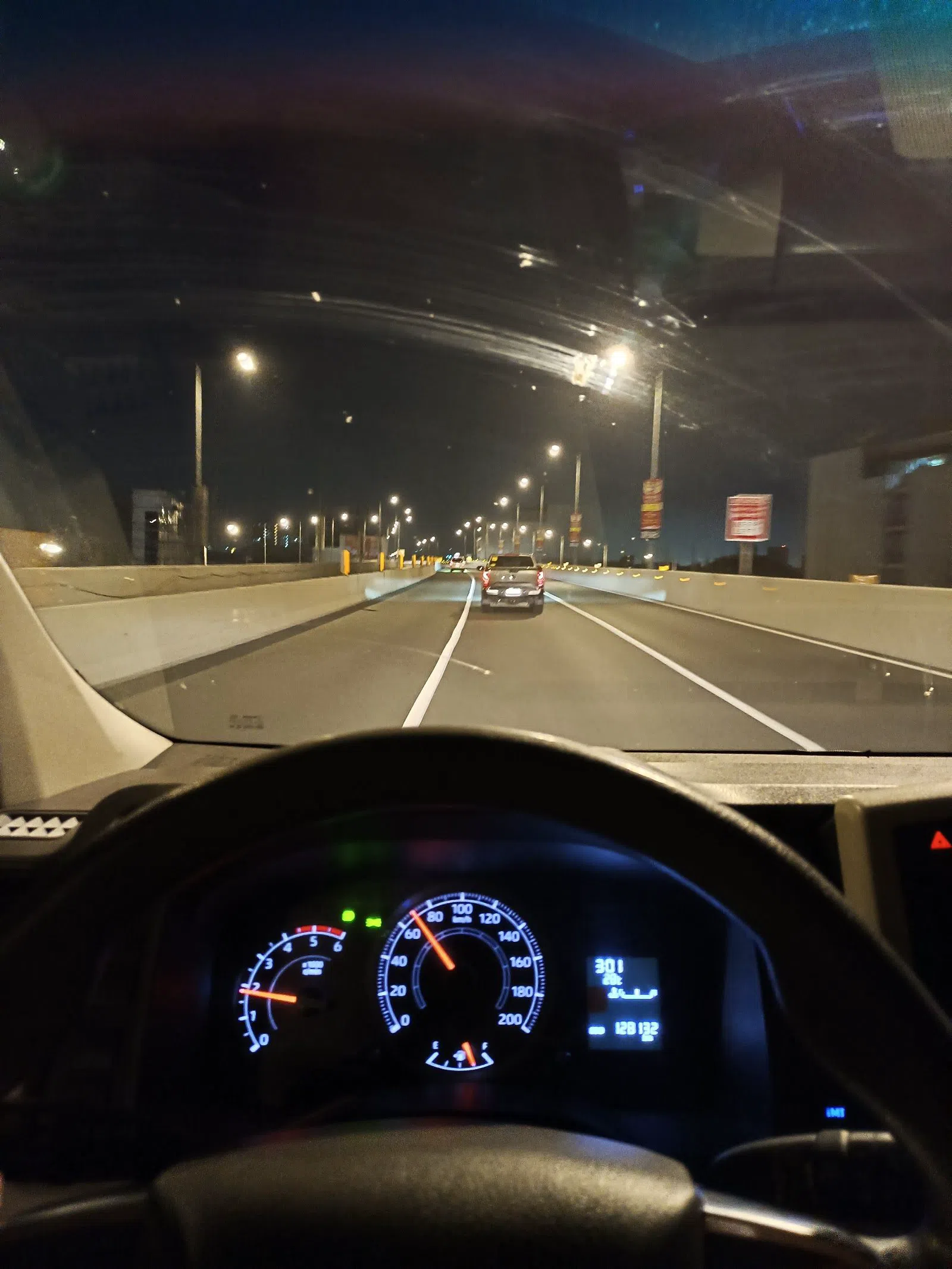
Payment is Autosweep RFID only. There is no cash lane, so the driver either has a tag or cannot use the road, and it is worth confirming that before you pull away from the terminal. Tolls are also separate from the app fare, so agree how they are settled at the start of the ride rather than at the end of it. On an airport run in the late afternoon, that toll is the difference between forty minutes and two hours, which makes it the cheapest thing you will buy all day.
What the rails do well, and where they stop short
Rail in Manila covers only a few corridors, but on those corridors nothing beats it, because nothing on the tracks is stuck behind a bus.
LRT-1 (Light Rail Manila Corporation) (running north to south through the old city and out to the southern suburbs) is the line most visitors will touch. Since the Cavite extension opened in November 2024 it reaches Redemptorist-Aseana, Manila International Airport Road, PITX, Ninoy Aquino Avenue and Dr. Santos, which changed how the south of the metro connects. Read the station names carefully, though: none of them touches a terminal building, so even from Manila International Airport Road the last two kilometres to check-in is still a car. Fares run ₱16 to ₱52 with a beep card and ₱20 to ₱55 for a single-journey ticket. Avoid 7am to 9am and 5pm to 8pm, when carriages are packed and the queues spill back onto the platform stairs; with bags in those windows it is unpleasant.
LRT-2 (Recto in the west to its eastern terminus at Antipolo) is the cleanest and roomiest ride in the city, and the easiest of the three lines to use with a family and light bags. Thirteen stations, trains from 5am to about 10pm, and fares held at roughly ₱6.50 to ₱16.50 with beep under the line-wide 50% discount in force since March 2026, or ₱8 to ₱18 for a single journey. Recto puts you a short walk from Divisoria; Cubao is where you change for MRT-3. For a couple crossing the city east to west in the middle of the afternoon, this is the sane choice.
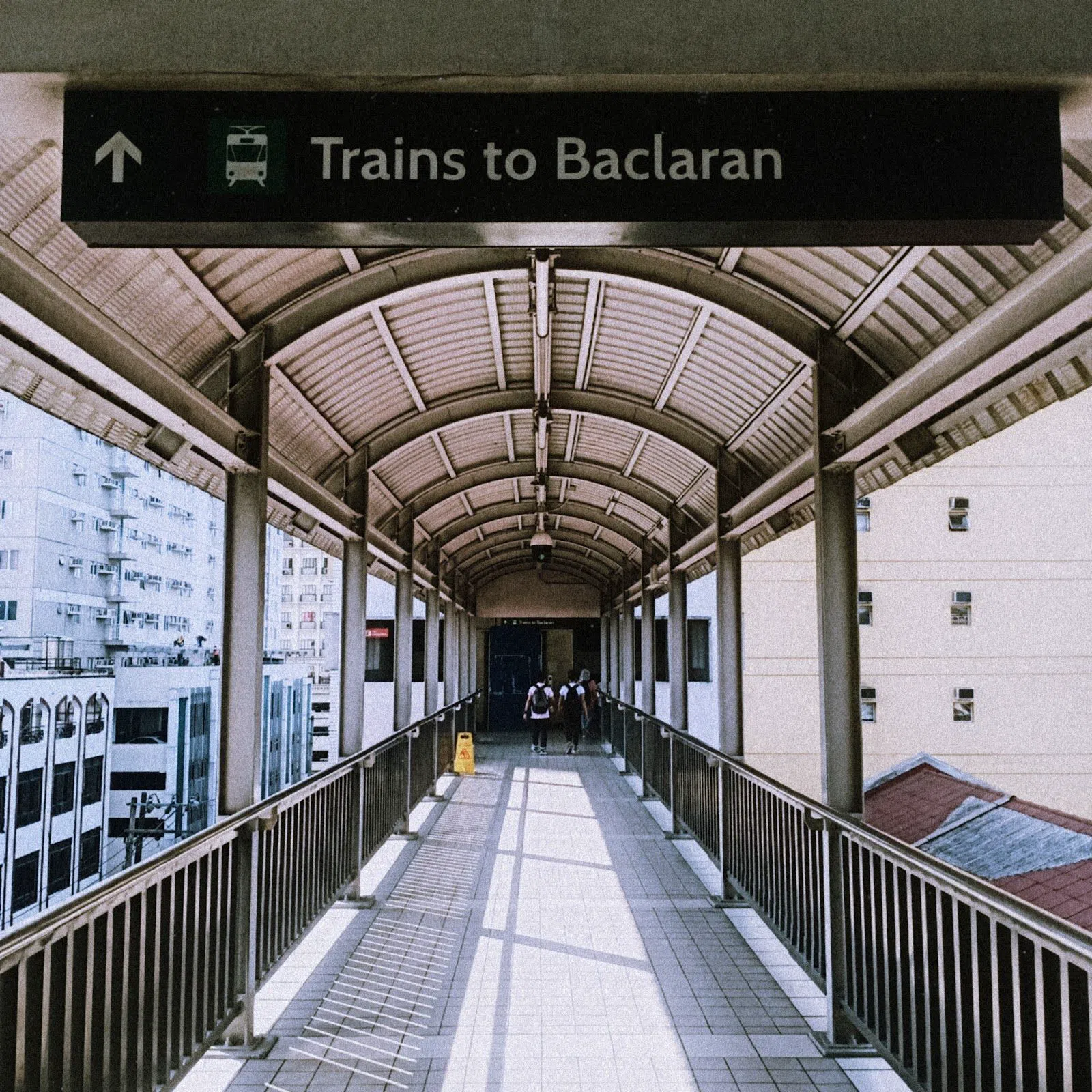
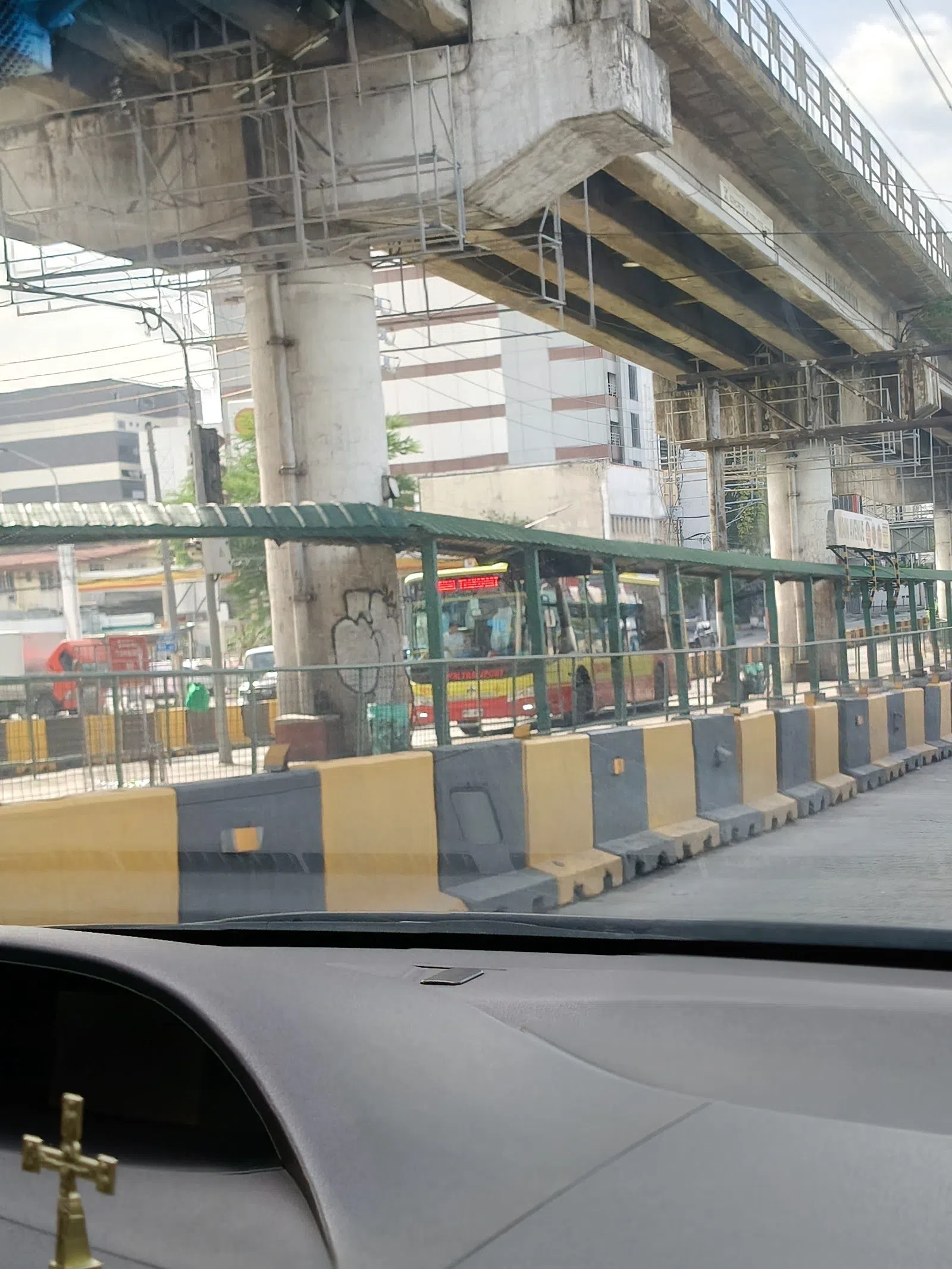
The EDSA Carousel busway (down the median of EDSA, the metro's main artery) does something the rail lines cannot: it runs the full length of the city's worst road inside its own segregated lane, which means it keeps moving when the ten lanes either side of it do not. It operates 24 hours, though buses thin out noticeably after midnight, and fares are distance-based from a ₱15 base to a ₱75.50 maximum. It is cashless only (beep card, contactless bank card, GCash or Maya), so sort out a payment method before you reach the platform. Groups are welcome and nothing needs booking. The EDSA rehabilitation works that began in December 2025 are carried out overnight, so daytime journeys are largely unaffected.
When the only thing moving is a motorcycle
At six in the evening, when the main roads have set solid, the fastest way across Metro Manila is a bike that filters between the stopped cars. Angkas (booked through the app, anywhere in the metro) charges from about ₱50 for the first two kilometres and ₱60 to ₱200 for most cross-town hops, which is less than the cab you are overtaking.
The limits are strict. It is one passenger per bike, with no exceptions, so a group of four books four bikes and regroups at the destination, which is fine for colleagues and awkward for a family with a child. Only a daypack fits, which makes it useless on any journey involving a suitcase. And it is a motorcycle in dense city traffic; if that is not something you would do at home, an extra forty minutes in a Grab is a reasonable price for not doing it here.
Inside the walls, a car is the slowest thing you can choose
Intramuros, the Spanish walled city laid out from 1571, is compact, cobbled and full of one-way lanes. A vehicle crawls; everything else beats it.
The Intramuros e-Tranvia (looping ten stops within Intramuros) is a Filipino-built battery tram handed to the Intramuros Administration in March 2026, calling at Fort Santiago, Baluarte de San Diego and Plaza España among others. It is free and it has 18 seats on a first-come, first-served basis, so a group of six or eight can ride together if you turn up early. The catch is the timetable: it runs only 9am to 10am and 3pm to 4pm. Plan the visit around those two hours rather than hoping to catch it.
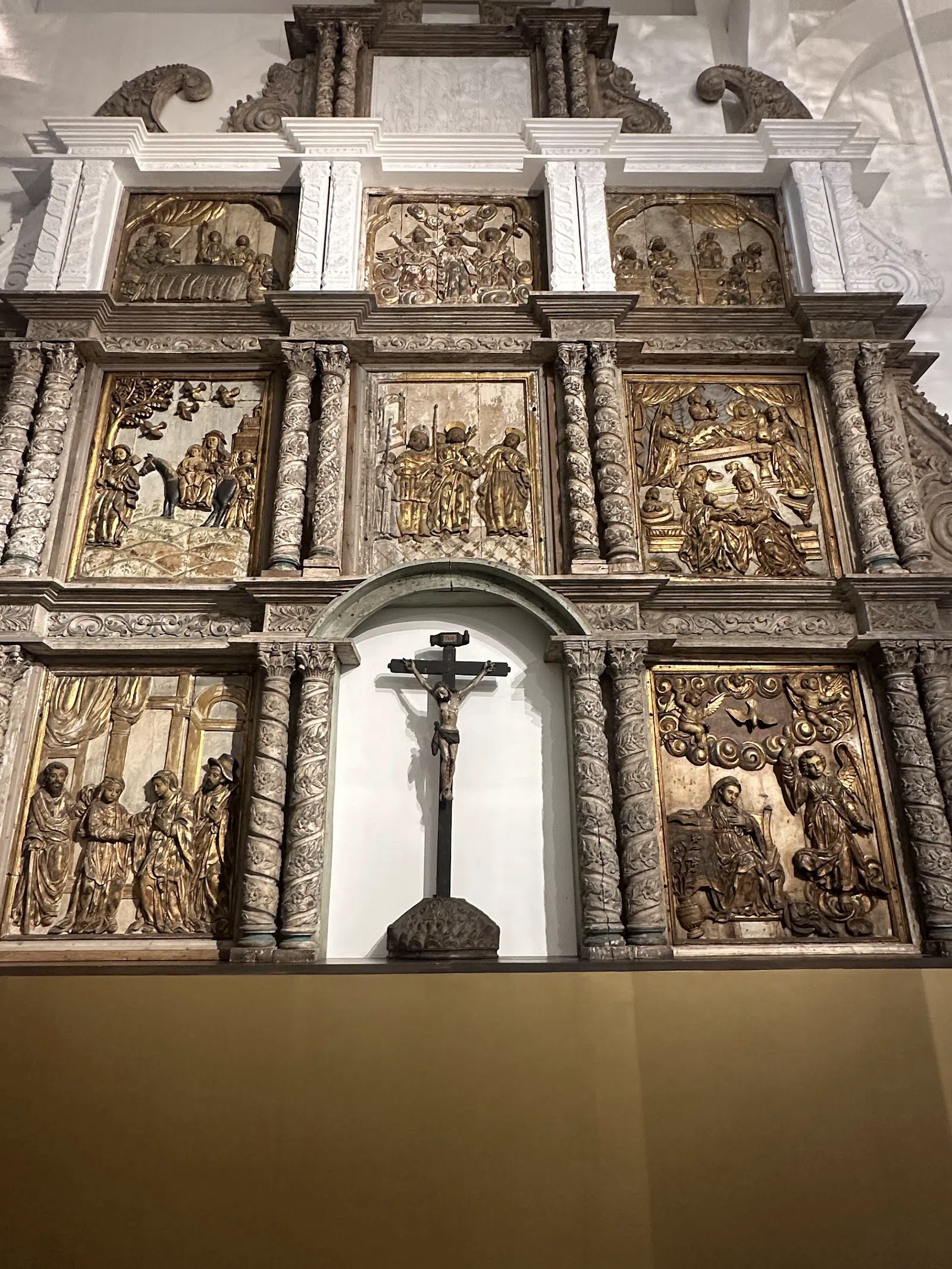
Bambike Ecotours (HQ at Casa Manila, Intramuros) hands you a handmade bamboo bicycle and a guide, covering eight to ten sites inside the walls. The one-hour express costs roughly ₱600 and the 2.5-hour guided tour about ₱1,800; groups run around 5 to 15 people, and the night edition caps at 15. The express version is the best use of a long layover, because it turns the walled city into an hour rather than a half-day.

For Binondo, walk. Old Manila Walks (Intramuros, Binondo, San Miguel and the Chinese Cemetery) has been run by Ivan Man Dy since 2005, with walks costing roughly ₱1,500 to ₱2,500 per person; private group bookings are taken directly or through Klook. The Binondo Food Wok is three and a half hours entirely on foot. In those lanes walking is faster than any vehicle, and a guide is what turns a row of identical shopfronts into a sequence of specific, very old kitchens.
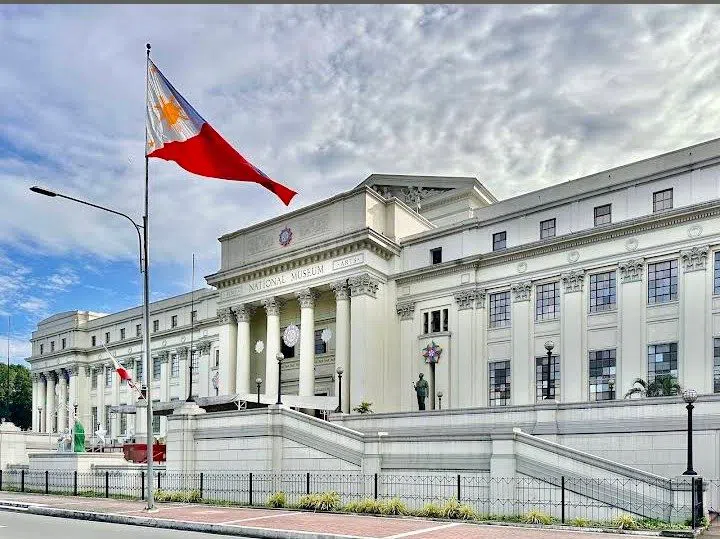
Heading south, start at the landport
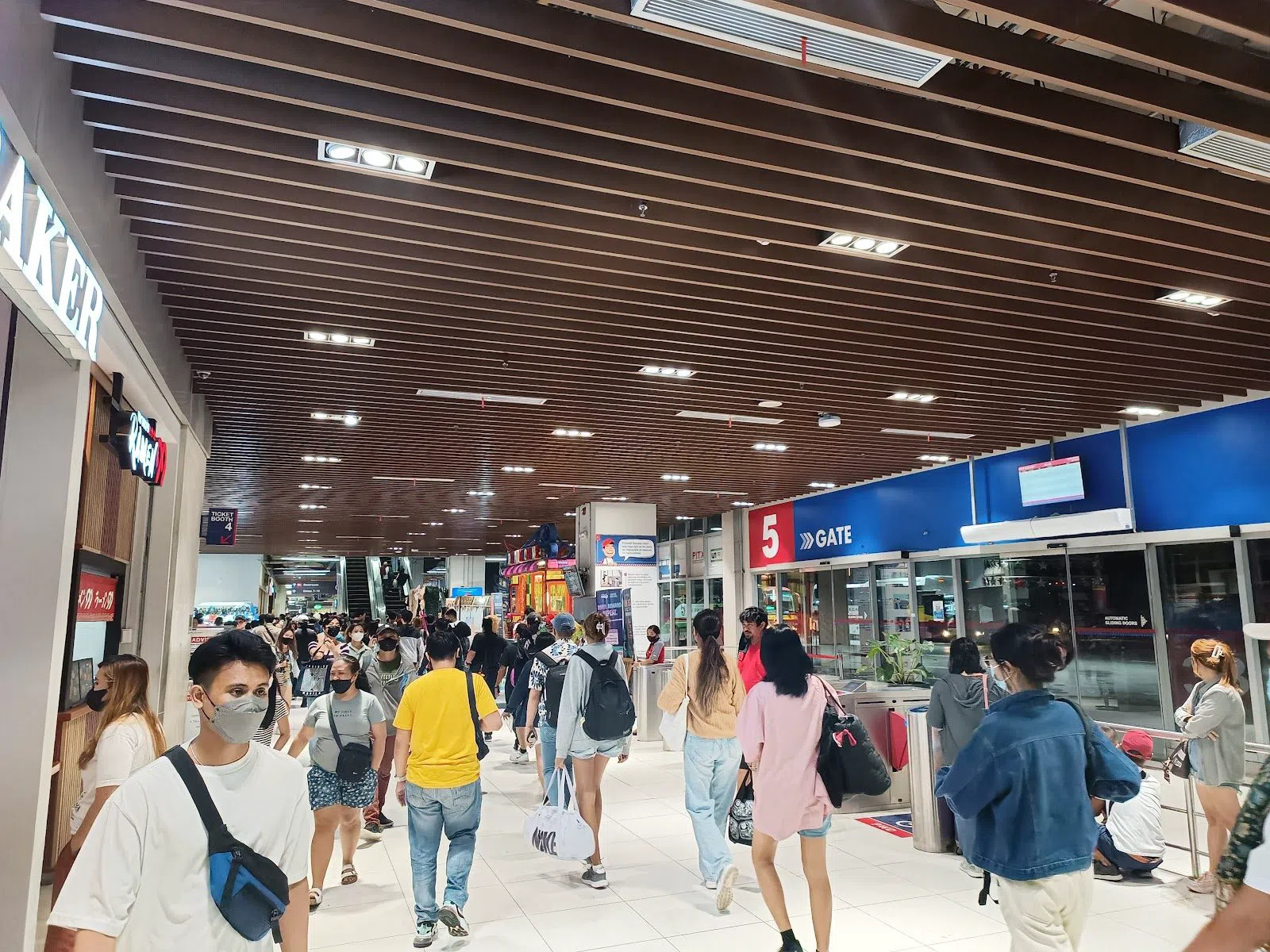
If your trip continues out of the metro, do not begin it on EDSA. The Parañaque Integrated Terminal Exchange (PITX) (Parañaque, at the southern edge of the metro) is the country's first landport: 4.5 hectares handling over 100,000 passengers a day, with air-conditioned waiting halls, a food court and enough space for a group to sit with luggage without standing on a kerb. Provincial fares vary by operator, free point-to-point shuttles connect it to LRT-1 EDSA and MRT-3 Taft, and it has its own LRT-1 station, so you can reach it by rail and never touch EDSA at all. For any onward journey to the provinces south of the capital, this is where the day should start.
Two routes that hold up
A six-hour layover, arriving mid-morning: shuttle or Grab to your terminal exit, a car over the NAIA Expressway and Skyway to Intramuros in around thirty minutes, the one-hour Bambike express through the walls, lunch, then back the same way with a deliberate ninety-minute buffer for the return leg.
A first full day in the city: LRT-2 to Recto early, walk into Divisoria and Binondo, a guided food walk through the afternoon, then Angkas or a Grab across to Makati at dusk depending on your luggage and your nerve. If you are still choosing where to base yourself, the Manila hotel search is the place to compare, and the wider Manila guide covers what sits at either end of these routes.
Practical notes
Transport. Buy a beep card on arrival at any rail station. It works on LRT-1, LRT-2 and the EDSA Carousel, and it is the cheaper fare on all of them. Install Grab and Angkas before you land, since both need a working data connection and a verified account.
Cash. Carry small peso notes for tricycles, tips and food stalls, but do not rely on cash for transport: the EDSA Carousel is cashless only, and Skyway tolls are RFID only. GCash or Maya cover most gaps.
Timing. The two windows to plan around are 7am to 9am and 5pm to 8pm. Move by rail, busway or motorcycle in those hours, and save the car for the middle of the day, late evening or the Skyway. Remember the two fixed timetables: the e-Tranvia at 9am to 10am and 3pm to 4pm, and LRT-2 ending around 10pm.
Budget. A realistic day of moving around costs ₱150 to ₱400 per person if you lean on rail, the busway and short bike hops; ₱600 to ₱1,500 if you take cars with tolls. Airport transfers of ₱250 to ₱700 sit outside that, and heavy rain roughly doubles the car figure. A guided walk or bike tour, at ₱600 to ₱2,500 per person, is the one line worth paying in full.
Before you go
Is there a train station inside Manila's airport?
No. The LRT-1 Cavite extension opened in November 2024 and now serves Redemptorist-Aseana, Manila International Airport Road, PITX, Ninoy Aquino Avenue and Dr. Santos, but no station touches a terminal building. You still cover the last two kilometres to check-in by road, so budget for a Grab or a JoyRide transfer at the end of the rail leg.
How much should a ride from the airport to Makati or Ermita cost?
A Grab usually falls between ₱250 and ₱700, fixed in the app before the driver arrives. In heavy rain, surge pricing pushes it past ₱1,000. Skyway and NAIA Expressway tolls are separate, roughly ₱129 to ₱264 for the Skyway segments and ₱35 to ₱45 for NAIAX, so agree with the driver at the start how tolls are settled.
Can I pay cash on the EDSA Carousel busway?
No. The Carousel is cashless only and accepts a beep card, a contactless bank card, GCash or Maya. Fares are distance-based, from a ₱15 base to a ₱75.50 maximum. It runs 24 hours a day with thinner service after midnight, and nothing needs booking.
Are motorcycle taxis practical with luggage or as a group?
Not with luggage. Angkas and JoyRide bikes carry one passenger and a daypack only, with no exceptions, so a group of four books four bikes and regroups at the destination. They are the fastest way across the metro in the evening peak because they filter through standing traffic, but for suitcases you need JoyRide's four-wheel transfer or a 6-seater GrabCar.
What is the best way to use a short layover in Manila?
Take a car over the NAIA Expressway and Skyway to Intramuros, under thirty minutes in decent conditions, and do the Bambike Ecotours one-hour express, roughly ₱600, which covers eight to ten sites inside the walls. If your timing matches 9 to 10am or 3 to 4pm, the free Intramuros e-Tranvia loops ten stops including Fort Santiago. Leave a ninety-minute buffer for the return.