The Manila issue
Working a Manila Layover Around the Traffic
A Manila layover can be worth leaving the terminal for, but only if you plan outward in rings and count the road time home first.

By Mariana FonsecaIntramuros walls to the last ferry out
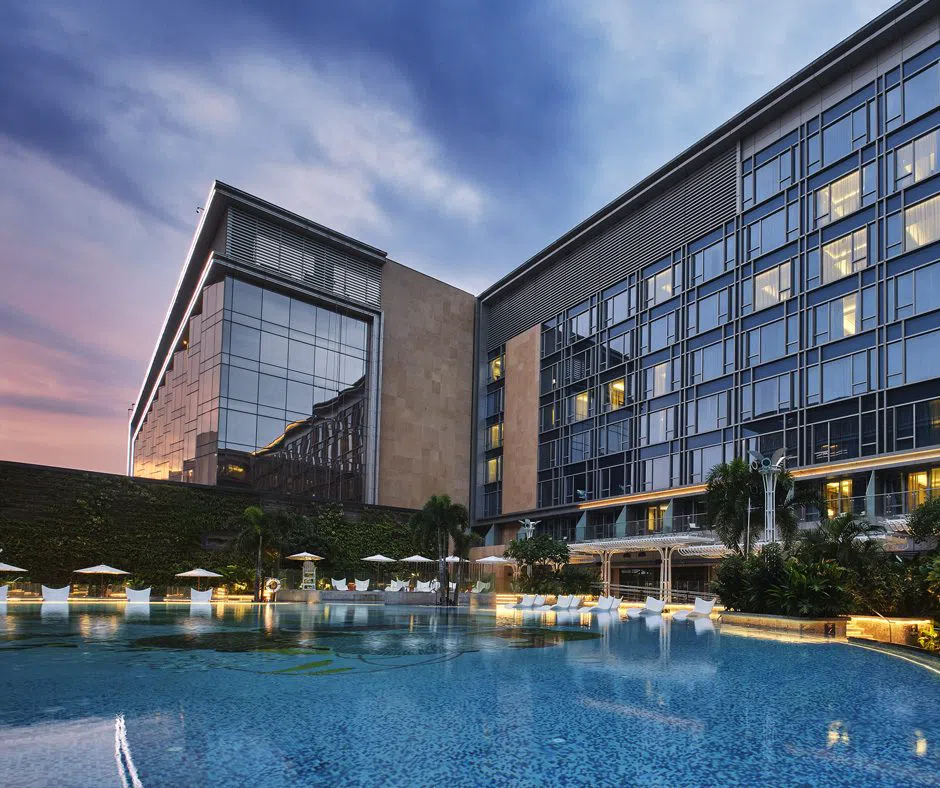
Fourteen kilometres separate Terminal 3 from the walls of Intramuros, and depending on the hour that gap costs you twenty-five minutes or an hour and fifty. Manila rewards a layover more than its reputation suggests. There is a Spanish citadel open until 10pm, a national gallery that charges nothing, and seafood you pick off the ice yourself, but only if you plan outward in rings and count the journey back before the journey out. What follows is ordered by distance from the terminals, and by how much road time each ring takes from you.
The ten minutes you can walk
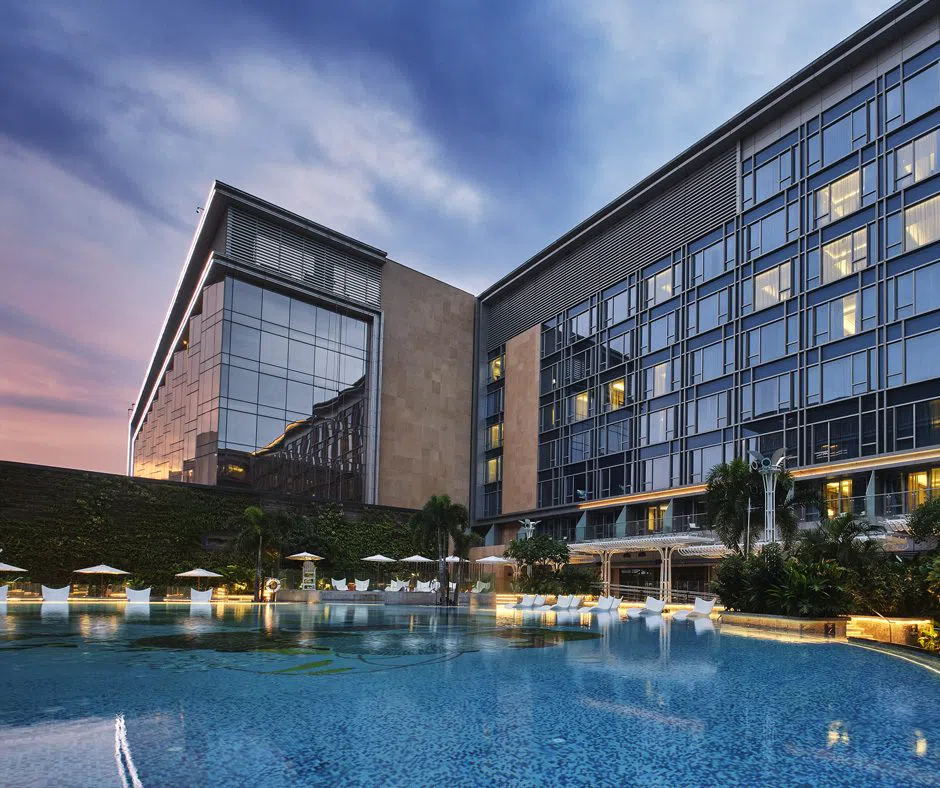
The safest stop in this entire article involves no vehicle at all. Newport World Resorts (Newport City, directly opposite Terminal 3) sits at the end of a covered walkway you can cross on foot in about ten minutes without touching a road, so it is the one entry here that is immune to Manila traffic. The complex is fully public: a mall, more than twenty restaurants, and the Newport Performing Arts Theater, all of which take walk-in groups of any size. Entry costs nothing. Meals run roughly ₱400 to ₱3,000 per person depending on whether you want a bowl of noodles or a proper sit-down dinner, and theatre tickets start around ₱1,000. The casino floor is 21+ and they do check ID at the door, so a family group should plan around it rather than through it.

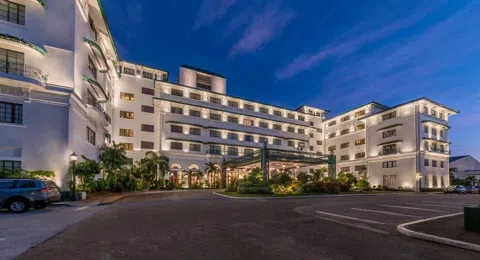
If what you actually need is a shower and a horizontal surface, Belmont Hotel Manila (Newport City) is on the same air-conditioned walkway. It has 459 rooms and is the standard crew-and-tour-group hotel for the airport strip, which tells you what to expect: efficient, unfussy, used to people arriving at odd hours with one bag. Published rates start from around US$60 a night, but the day-use rate is not listed online and has to be requested, so call ahead rather than turning up and hoping. For a longer stop, or if a delay turns your layover into an overnight, it is worth widening the search; the Manila hotel search covers the airport strip and the districts further in.
Plan your Manila trip
Live prices from our booking partners.
Free cancellation on many rooms. We may earn a commission when you book.
Sleeping without clearing immigration
On a red-eye connection, the calculation changes entirely. The Wings Transit Lounge (airside, Terminal 3) operates twenty-four hours inside the terminal, which means you never present a passport at immigration and never gamble on a road at four in the morning. Lounge access starts from about ₱700; a solo capsule runs around ₱1,800 for a 7.5-hour block with a meal pass included. The 7.5-hour and 15-hour blocks map almost exactly onto the two commonest Manila layover lengths, so you are not paying for hours you cannot use.
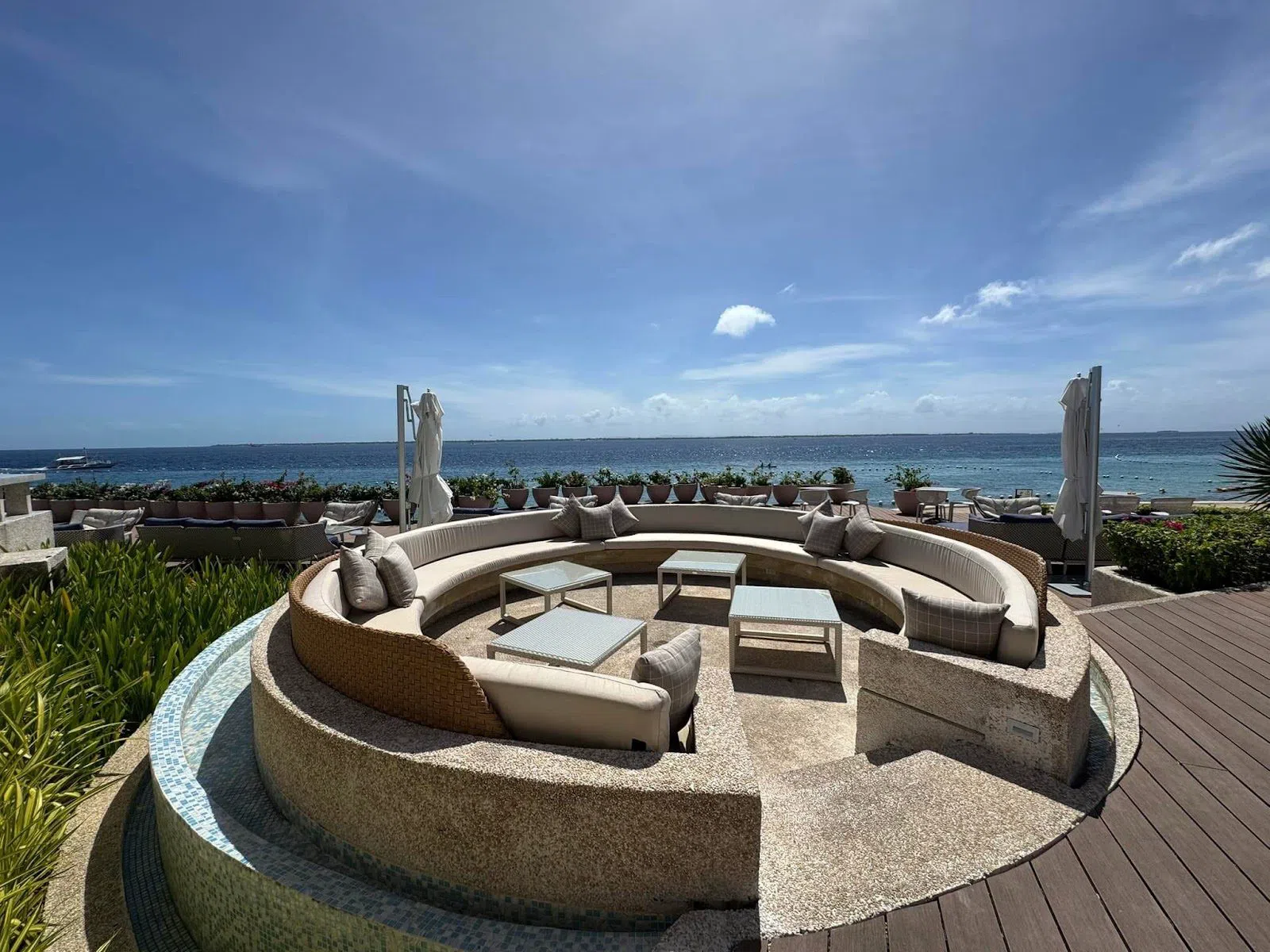
The format has limits. Capsules and recliners should be pre-booked, and the room types thin out fast for anything larger than a pair. Twin rooms exist and there is a family room, but the family room is walk-in only, first come first served, which is a poor foundation for a group of four arriving at 2am. Two people can plan around The Wings confidently. Five people should treat it as a fallback rather than a reservation.
The four-hour tour the airport runs itself
The Department of Tourism launched the NAIA Transit Tour Program on 16 January 2026 for transit passengers, and it removes the two hardest parts of a layover excursion: finding a driver and judging the return timing. It costs USD 50 per person for four hours, runs by coach, and you register in advance or walk up to the concierge desks at Terminal 1 or Terminal 3. Because it is coach-based, it is the one option on this list that handles a genuine group without any negotiation.
The conditions are strict and worth reading twice before you build a plan around them. You need a layover of at least eight hours, cabin baggage only, a visa-free nationality or a valid Philippine visa, and an onward flight from the same terminal. It runs Friday to Sunday only. Miss any one of those and you are back to arranging your own transport, so check them against your booking now rather than at the desk.
Fifteen minutes to Entertainment City
The tour's two stops sit in Entertainment City, a reclaimed strip on the bay roughly fifteen minutes from the terminals on a reasonable run, and both are worth reaching independently if the tour days do not match your flight.
Okada Manila (Entertainment City) is the more spectacular of the pair. The Fountain, a choreographed water show, is free to view, and it earns the trip rather than serving as an excuse to walk past a casino floor. Retail and dining levels welcome large groups; dining lands between ₱800 and ₱4,000 per person. Gaming areas are 21+ with ID checks, as everywhere here.

Solaire Resort Entertainment City (Entertainment City) is the quieter, more polished option and the closest thing near the airport to a Forbes Five-Star anchor. Entry is free, restaurants and the theatre take groups without fuss, and dining runs ₱1,000 to ₱5,000 per person. Choose Solaire when what you want from a layover is a good meal and a cool, clean room to sit in for two hours. Choose Okada when you want something to actually look at.

The bay, the mall and the seafood market
A little further along the bay, about twenty minutes from NAIA on a good run, SM Mall of Asia (Bay City) is effectively rain-proof and absorbs any group size without comment. Entry is free. The MOA Eye, the wheel on the seaside strip, costs roughly ₱200 to ₱300 and runs from 4pm to midnight, which covers the evening window most long-haul connections land in, when half the city's museums have already closed.

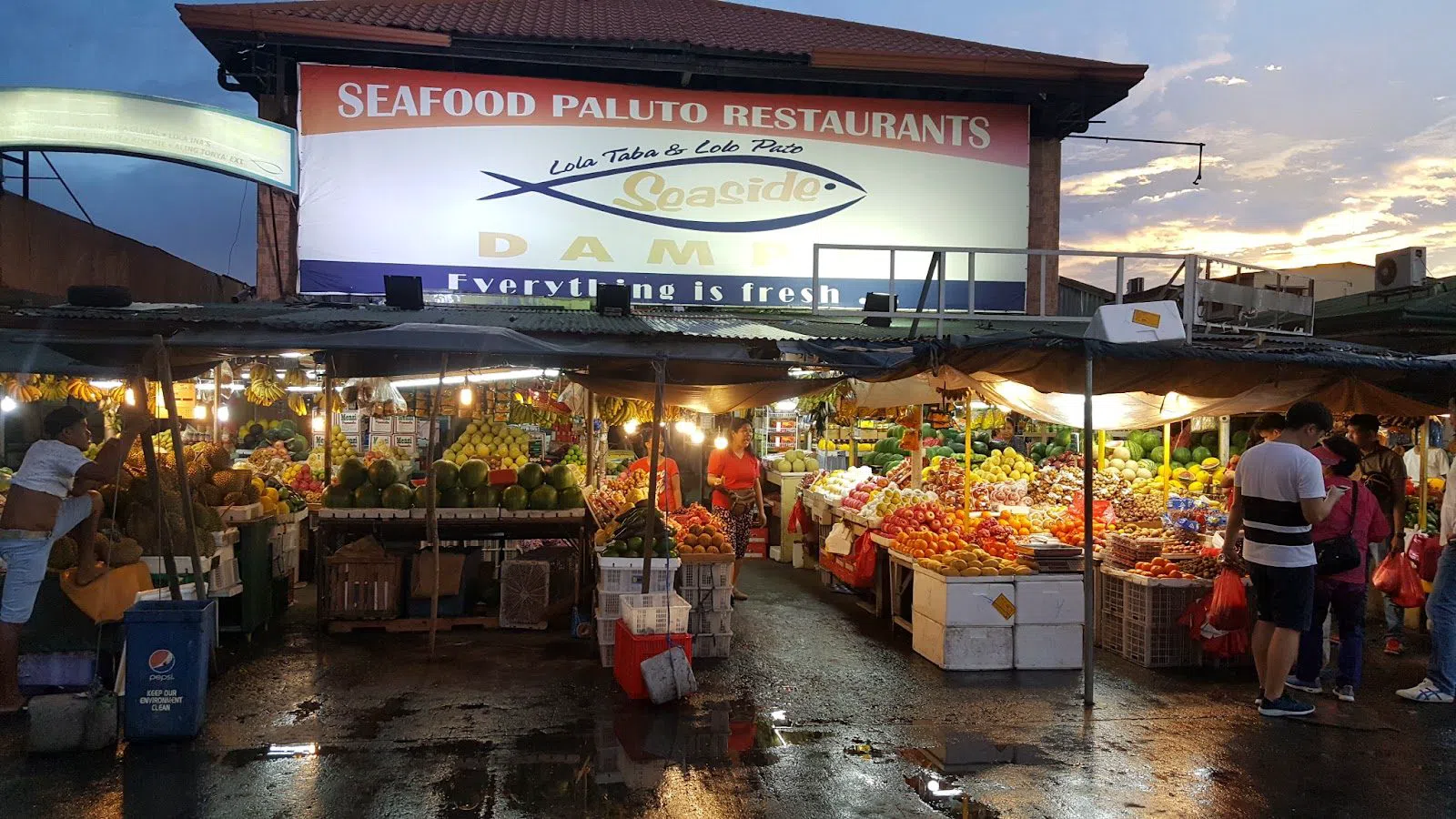
Across the same district, Seaside Dampa Macapagal (Bay City) is the meal to build an evening layover around. You buy your seafood raw from the market stalls and carry it to one of twenty-plus neighbouring paluto kitchens, who cook it the way you ask. Expect ₱600 to ₱1,500 per person depending on what you point at. Two rules make the difference between a great dinner and an argument: agree the per-kilo price at the ice before anything is weighed, and agree the cooking fee with the kitchen before you hand the bag over. Long tables and family-style ordering are the default, so this suits a group far better than a couple. Most kitchens only get going in the evening, which rules it out for a morning stop.
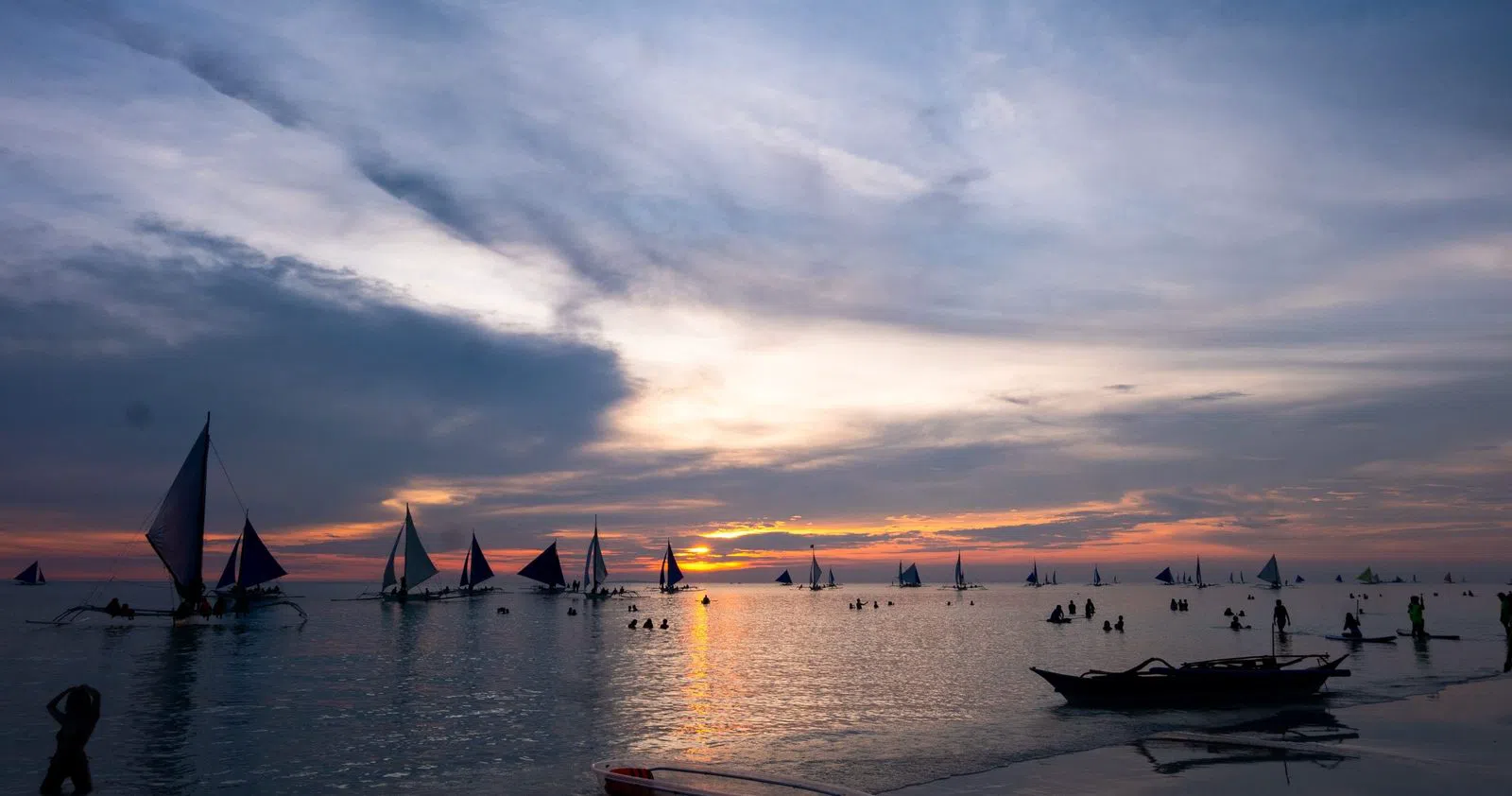
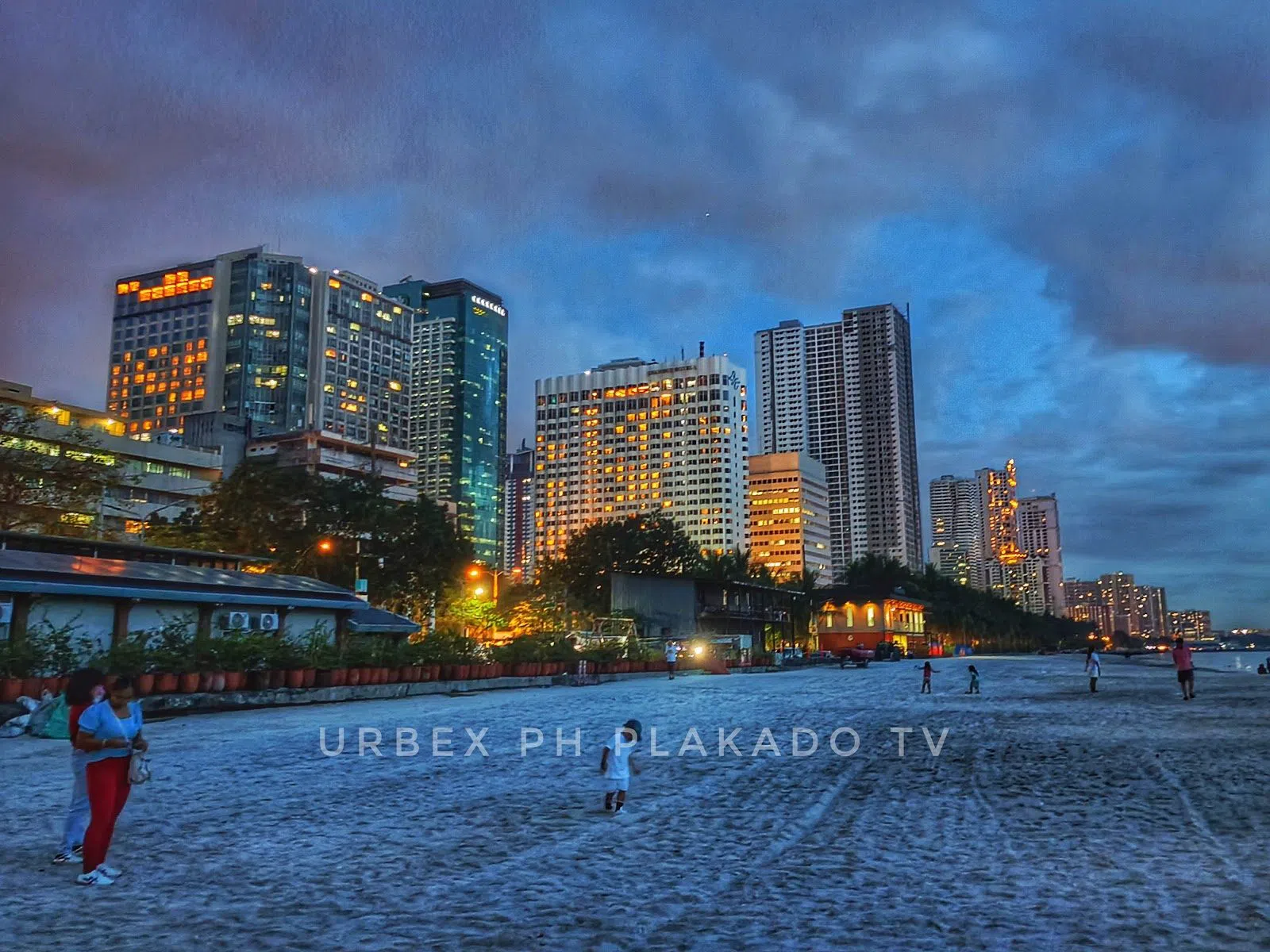
For an hour outdoors before dinner, Manila Baywalk Dolomite Beach (Roxas Boulevard) is free, needs no booking, and takes any number of people. It opens 6am to 6.30pm and closes Thursdays for maintenance. Swimming is banned, so read it as a promenade rather than a beach. The Manila Bay sunset is the reason to stand there.
Intramuros on a nine-hour layover
With nine hours on the clock and your bags checked through, the walled city is reachable. Intramuros was the Spanish colonial core, laid out in the 1570s, and it holds more per square kilometre than anywhere else you can get to from the airport.
Fort Santiago (Intramuros) is the citadel at the mouth of the Pasig, where José Rizal was held before his execution in 1896. Tickets are ₱75, or ₱50 for students, seniors and PWD, bought per head at the gate with no door policy to worry about. The hours are what make it work for a layover: 8am to 10pm on weekdays with last entry at 8pm, and from 6am at weekends. Most Manila sights shut at 5 or 6, so an evening layover still works here and almost nowhere else.

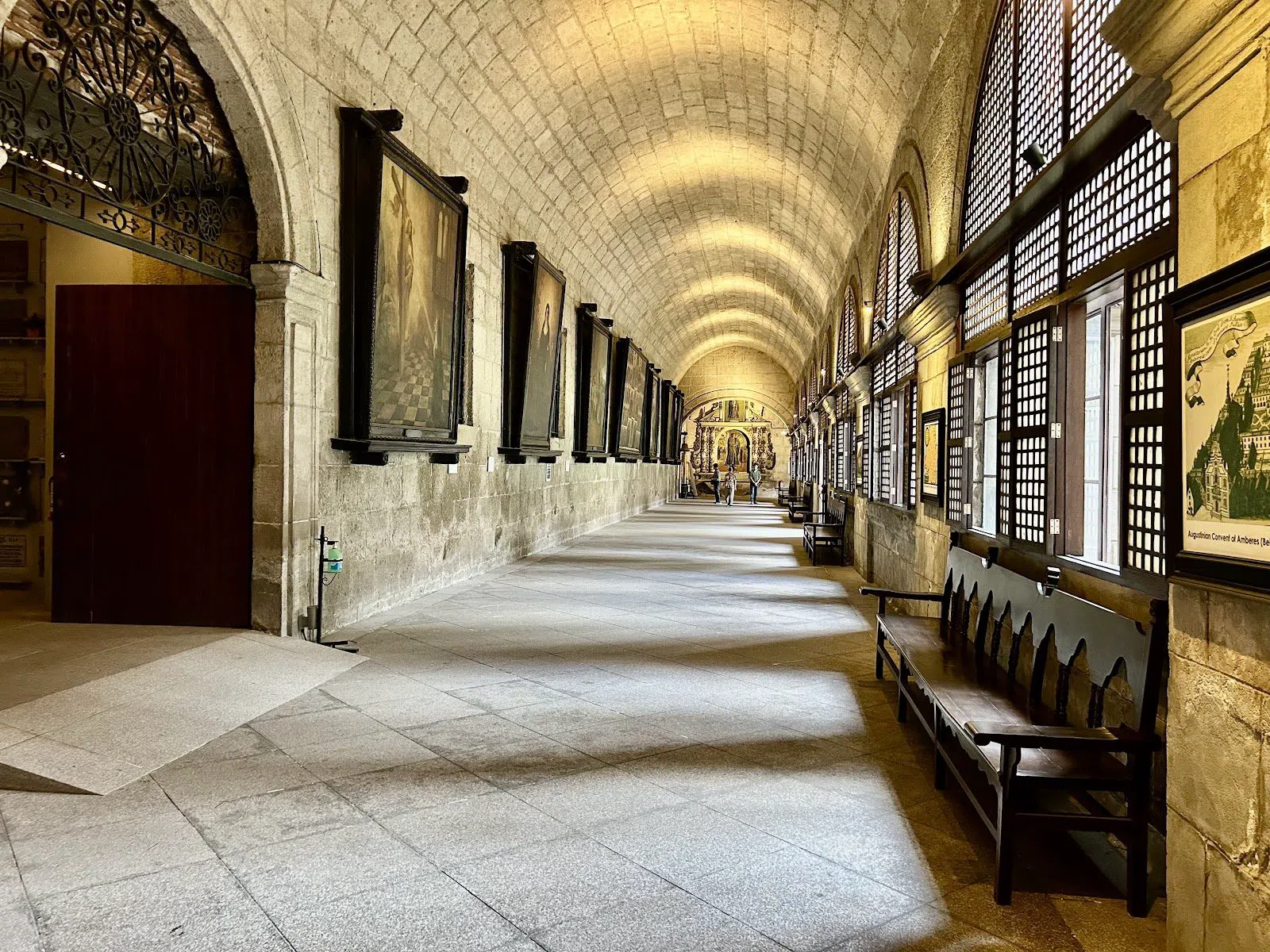
San Agustin Church and Museo San Agustin (Intramuros) is the oldest stone church in the country and has been UNESCO-listed since 1993. The church is free; the museum costs around ₱200. It opens 8am to 12pm and again 1pm to 5pm every day, so a short window landing at midday will find the doors shut. It is also an active parish, which means a wedding can close sections without warning. Groups are welcome, but nobody is going to pause a ceremony for you.
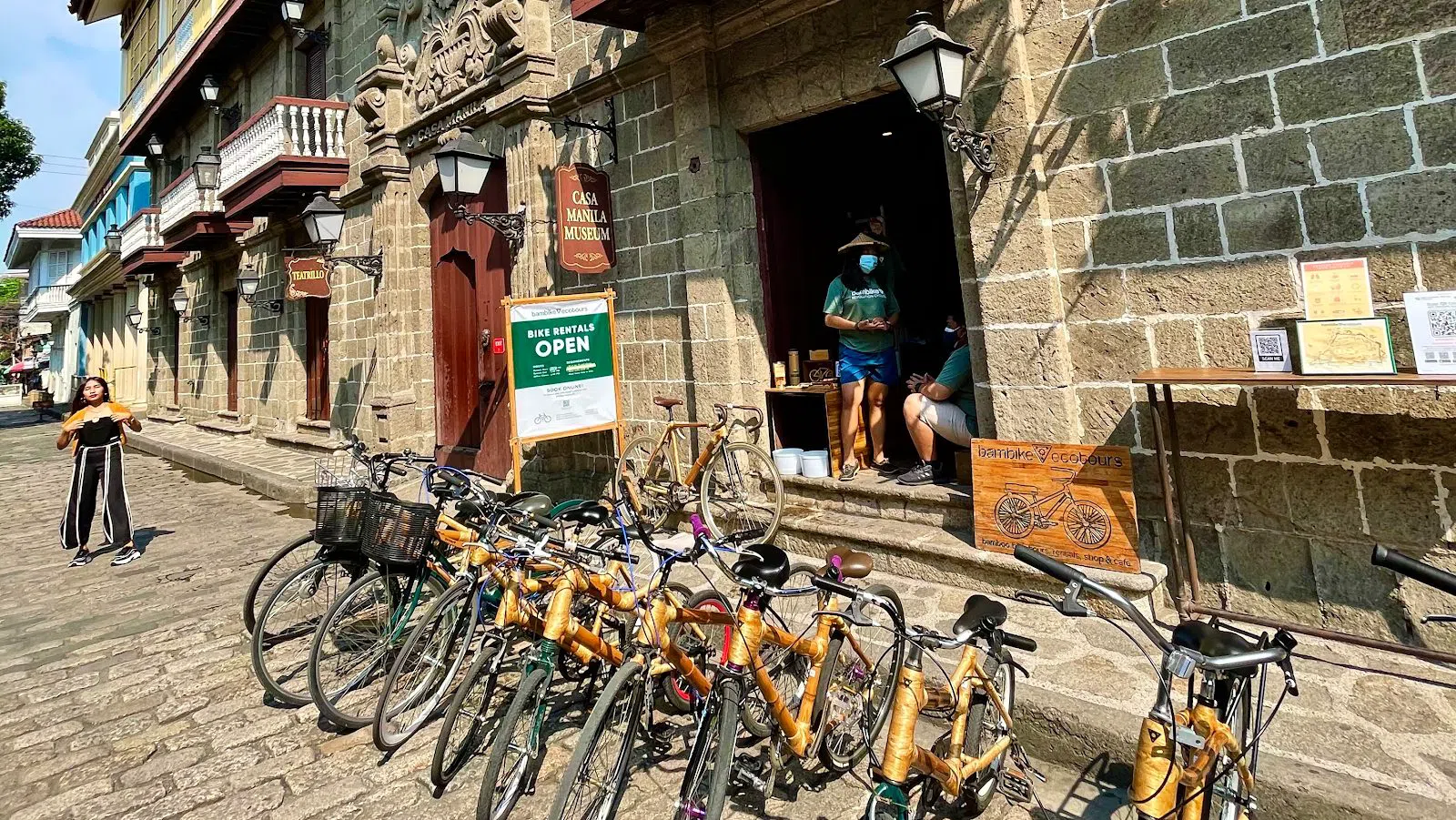
To cover ground rather than one building, Bambike Ecotours Intramuros (Intramuros) runs guided rides on bamboo bicycles, which are genuinely built from bamboo rather than dressed up as it. The 1.5-hour Express tour reaches six to eight sites inside the walls at a pace no walking tour matches, and that ratio is what a tight layover needs. Prices run about ₱1,200 to ₱2,500 per person depending on length. The standard format is five to fifteen riders, with private departures bookable direct, which is comfortable for a couple, workable for a small group and wrong for a coach party.
The free museum that rescues a wet-season stop
From June to October the rain sets in properly, and the National Museum of Fine Arts (Ermita) is the strongest single answer to it in the city. It is free, fully roofed and fully air-conditioned, and Juan Luna's Spoliarium alone justifies the drive. Groups are fine; the desk asks for one valid ID per group, and large bags go into lockers that take a ₱100 coin. It sits close enough to Intramuros to pair with Fort Santiago in one outing, which is the efficient way to spend a wet afternoon without repeatedly re-entering traffic.

Binondo before the afternoon closes in
For an early arrival, Old Manila Walks (Binondo) runs the Big Binondo Food Wok through the world's oldest Chinatown. Ivan Man Dy has been running it for more than twenty years, and it shows in the access rather than the patter. It costs around ₱1,400 per person with the food included, and the 9am to 12.30pm slot is the one that fits a red-eye landing. The format is small-group by design; private bookings go through the office, weekdays 9am to 5pm Manila time. The honest risk is the return: you finish at half past twelve and drive back as the afternoon thickens. Budget ninety minutes for that leg and do not shave it.
Makati and BGC only with sixteen hours
These two are the deepest into traffic of anything here, and they are only sane on a long layover with checked-through bags.
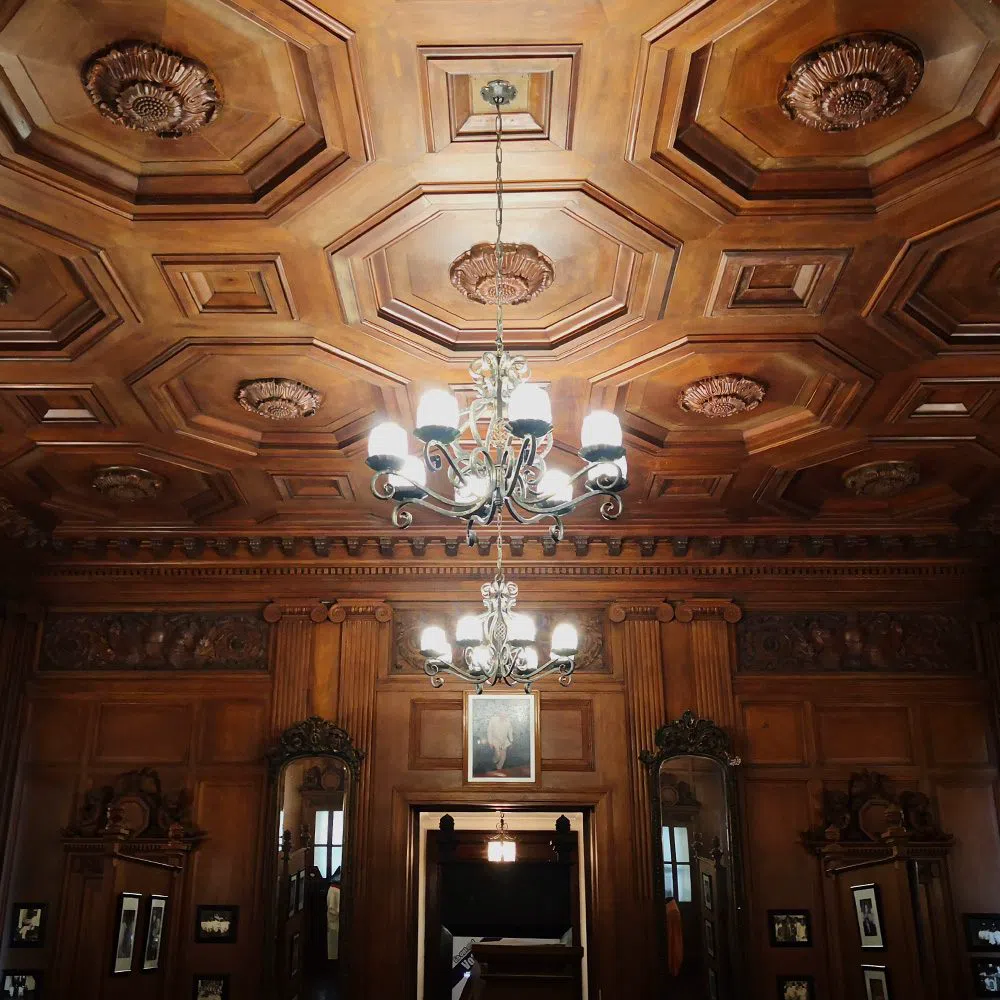
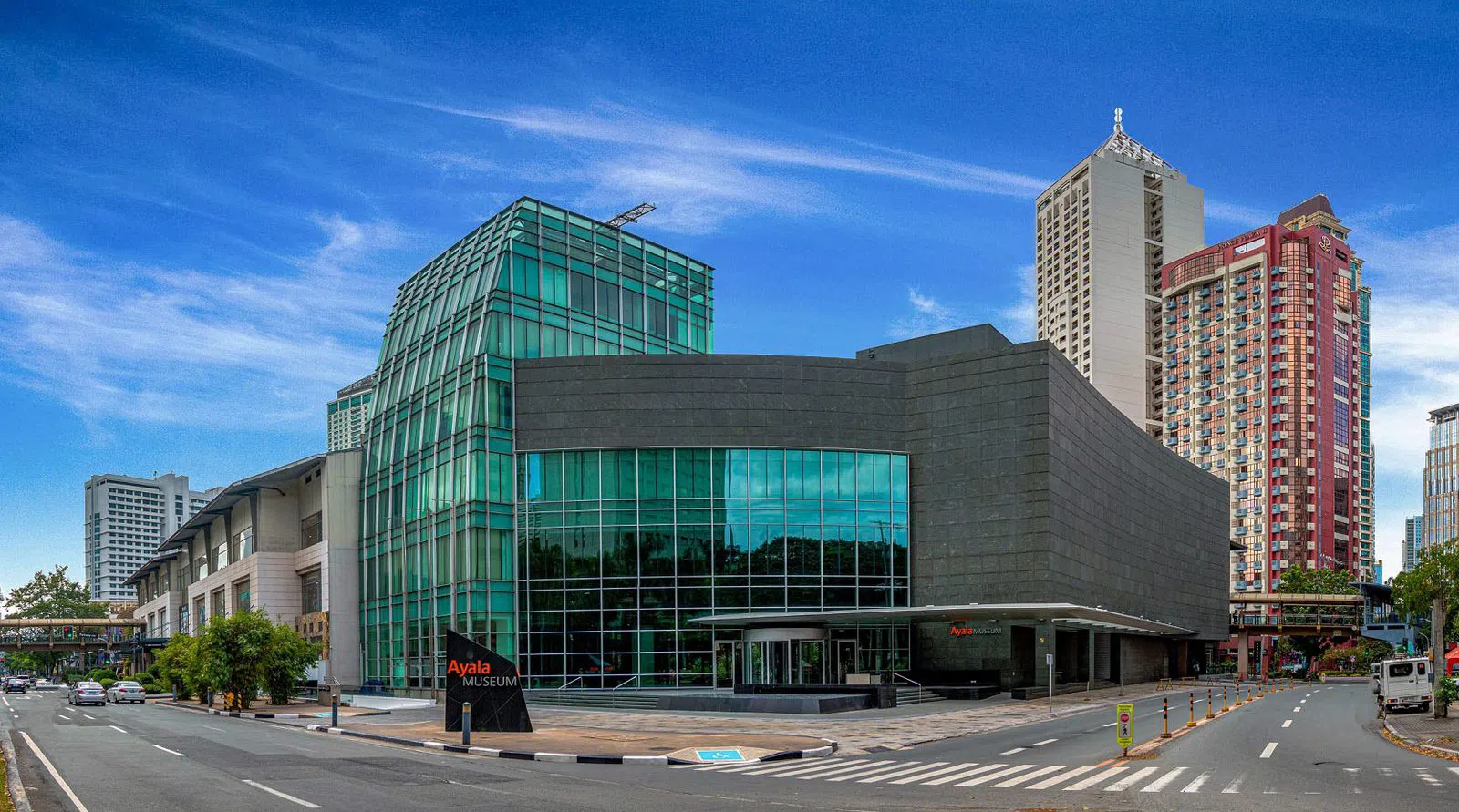
Ayala Museum (Makati) holds four floors of Philippine art and history and absorbs a coach party comfortably. Admission is ₱425 for non-resident adults, ₱150 for residents and ₱75 for students and seniors. It opens 10am to 6pm and closes Mondays. It sits on Greenbelt Park, so a group can eat and shop in the same block rather than moving again, which matters, because the ride back to NAIA needs 90 to 120 minutes allowed for in the plan.
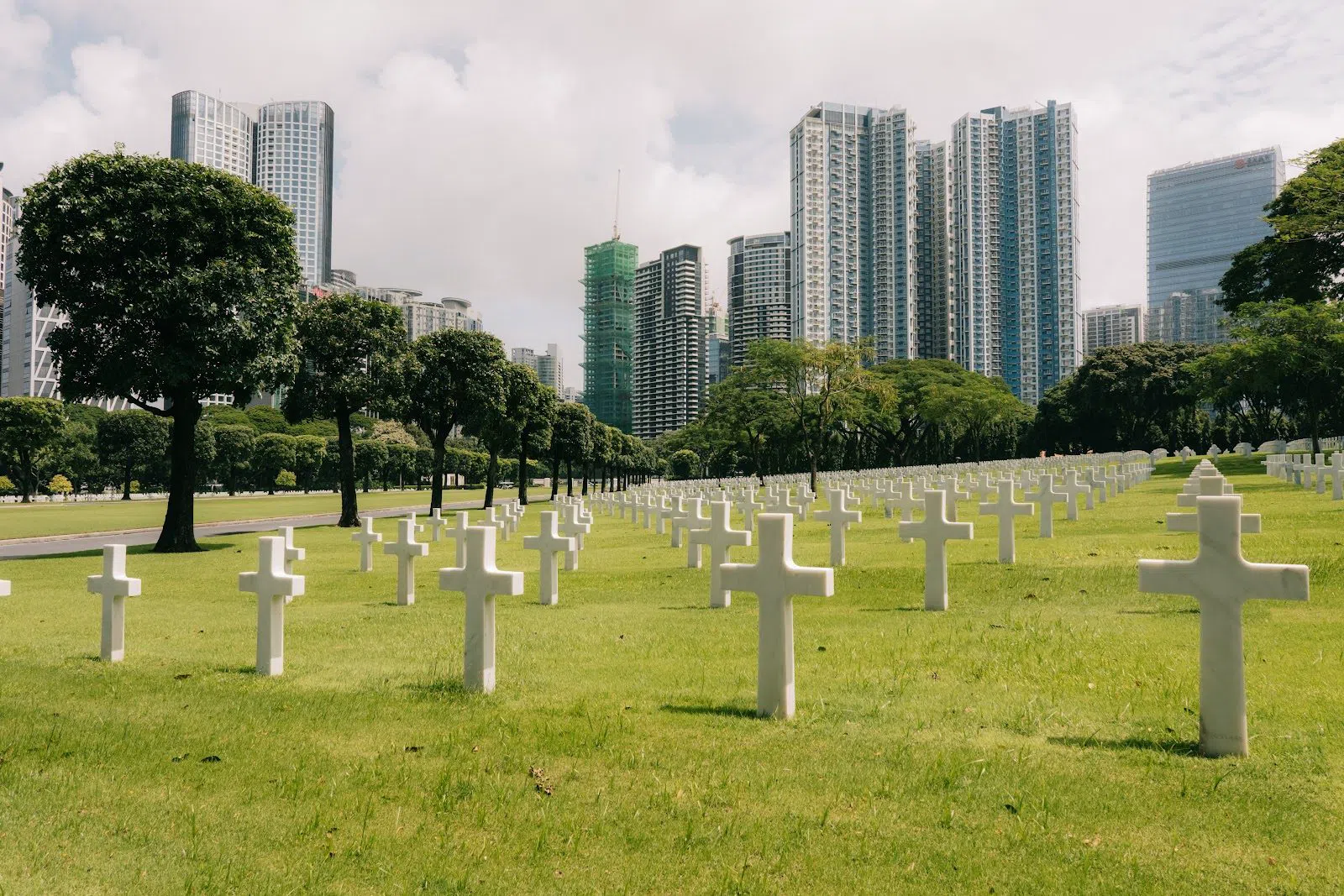
Manila American Cemetery and Memorial (BGC) is the largest American burial ground of the Second World War anywhere, with 17,202 graves kept immaculately across a hillside of clipped grass. Entry is free, it opens daily 9am to 5pm except 25 December and 1 January, and staff in the visitor building will walk you to a specific grave if you have a name. It pairs naturally with BGC's restaurants if you have already accepted the traffic risk of coming this far. For anything beyond a layover, the full Manila guide goes deeper into these districts.
Timing, cash and the ride back
The thresholds are simple. Under six hours, stay in Newport or airside. Six to nine hours with cabin bags only gets you Entertainment City, Mall of Asia or the bay. Nine hours reaches Intramuros and Ermita comfortably. Sixteen hours is what Makati and BGC honestly require.
Book rides through an app or the airport's official taxi counters rather than accepting a fixed-price offer at arrivals. Travel times outbound and inbound are not symmetrical: the 7am to 10am and 4pm to 8pm windows can double a journey, and heavy rain does the same thing at any hour. Whatever the map says, add an hour to the return leg and treat that hour as spent.
Carry pesos. Gate fees at Fort Santiago, museum lockers, paluto kitchens at Dampa and small vendors all work in cash, and the ₱100-coin lockers want exactly that. Malls, resorts and hotels take cards without trouble.
The budgets follow from all that. A walk-and-look layover, Newport plus a meal, runs ₱400 to ₱1,000. Intramuros on foot with a museum comes in under ₱500 including tickets, before transport. A guided option lands between ₱1,200 and ₱2,500, or USD 50 for the official four-hour tour. A capsule and a meal airside is around ₱1,800. None of it is expensive. What costs you in Manila is bad timing.
Before you go
How long does my layover need to be before I leave the airport?
Under six hours, stay put: Newport World Resorts is a ten-minute covered walk from Terminal 3 and needs no road. Six to nine hours reaches Entertainment City, SM Mall of Asia and Manila Bay. Nine hours is enough for Intramuros and the National Museum of Fine Arts. Makati and BGC need sixteen, because the return leg alone wants 90 to 120 minutes.
Can I see Intramuros on a nine-hour Manila layover?
Yes, with checked-through bags and a disciplined return time. Fort Santiago costs ₱75 and opens 8am to 10pm on weekdays, last entry 8pm. San Agustin Church is free, its museum around ₱200, but it closes 12pm to 1pm. Bambike Ecotours Intramuros covers six to eight sites on a 1.5-hour Express ride for ₱1,200 to ₱2,500 per person.
Who qualifies for the NAIA Transit Tour Program?
It launched on 16 January 2026 and costs USD 50 per person for four hours, but the conditions are strict: at least an eight-hour layover, cabin baggage only, a visa-free nationality or a valid Philippine visa, and an onward flight from the same terminal. It runs Friday to Sunday only. Register in advance or at the Terminal 1 or Terminal 3 concierge desks.
Can I sleep or shower without clearing immigration?
Yes. The Wings Transit Lounge is open twenty-four hours airside in Terminal 3, from about ₱700 for lounge access or around ₱1,800 for a solo capsule for 7.5 hours with a meal pass. Pre-book capsules and recliners; the family room is walk-in only, first come first served. Landside, Belmont Hotel Manila offers day use on request, but the rate is not published, so call ahead.
What works on a rainy layover?
The National Museum of Fine Arts in Ermita is free, roofed and air-conditioned, and it pairs with Intramuros in one outing. SM Mall of Asia is effectively rain-proof, and Okada Manila and Solaire Resort Entertainment City are both free to enter with everything indoors. Skip Manila Baywalk Dolomite Beach in the wet: it is an open promenade, opens 6am to 6.30pm and closes Thursdays.