
Manila's most interesting shopping happens where you can't see it from the street. Beneath Quiapo, Makati and the newer towers of Bonifacio Global City runs a network of tunnels, basements and underpasses that Manileños have used as marketplaces for over sixty years — some still crowded with secondhand clothes, a shooting range and a paperback stall, others as polished as any mall floor above them. This is a route through that undermall, from the city's oldest surviving underpass bazaar to the air-conditioned basements where the same underground instinct shows up dressed for a very different budget.
Quiapo: Where the Undermall Began
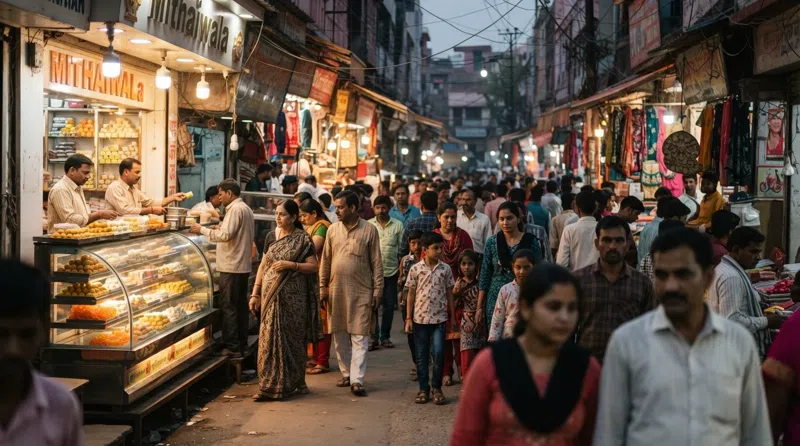
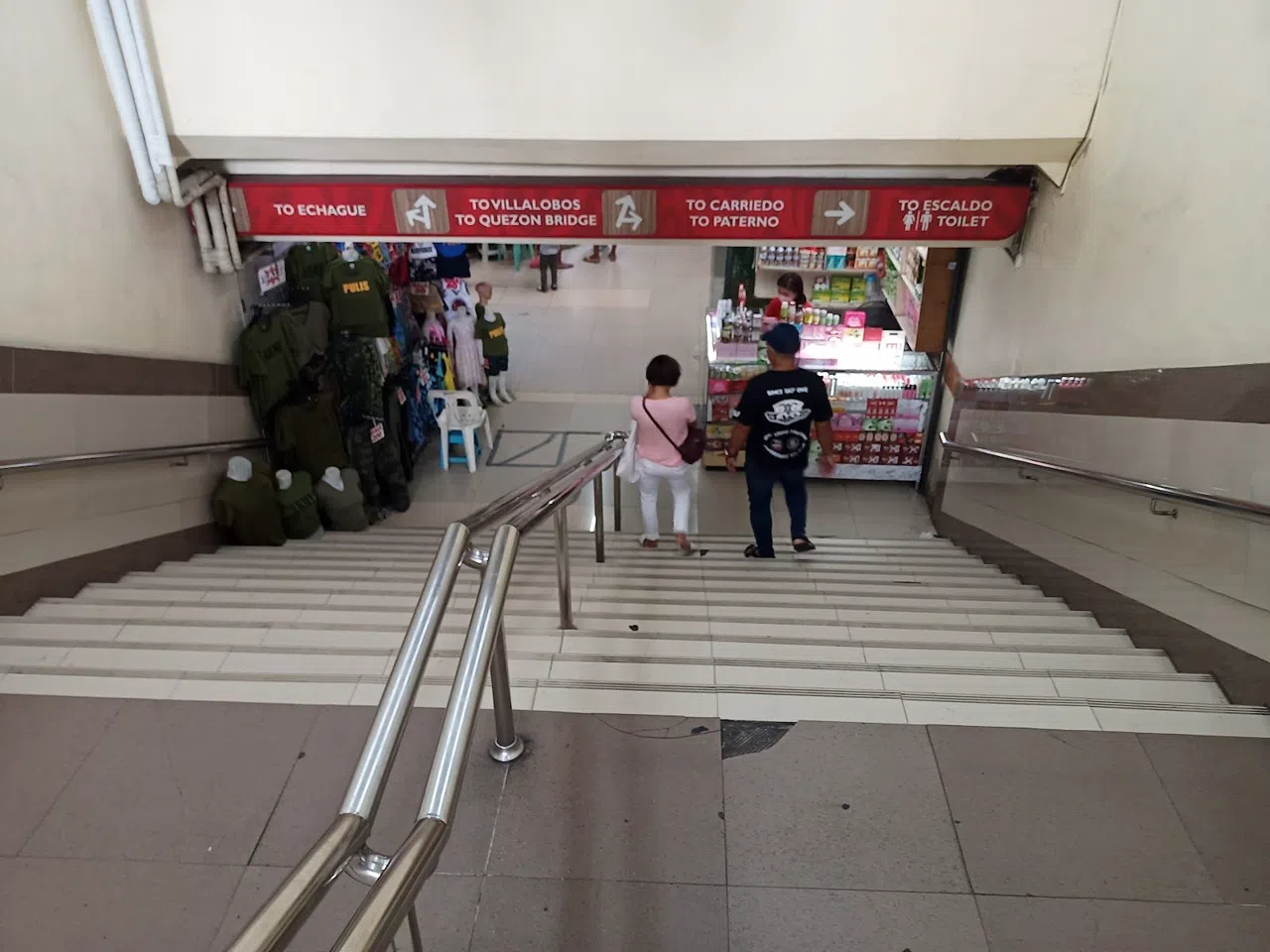
Start where it started. Victory Lacson Underpass, in Quiapo, opened in 1961 as the Philippines' first pedestrian underpass — built to get worshippers and shoppers safely under the traffic circling Quiapo Church, not to house a market. The market came anyway, and it stuck. Rebuilt and rebranded Victory Lacson in 2014, it's still the most complete surviving example of Manila's underpass-as-market culture: six streets link into it without a single vendor ever needing to surface. The aisles are narrow and the stalls sell clothes and accessories for a few hundred pesos apiece, packed close enough that a small group can move through single-file but not much wider than that. Go with people you trust to stay together — it gets dense and genuinely claustrophobic around rush hour, and bags should stay zipped the whole way through.
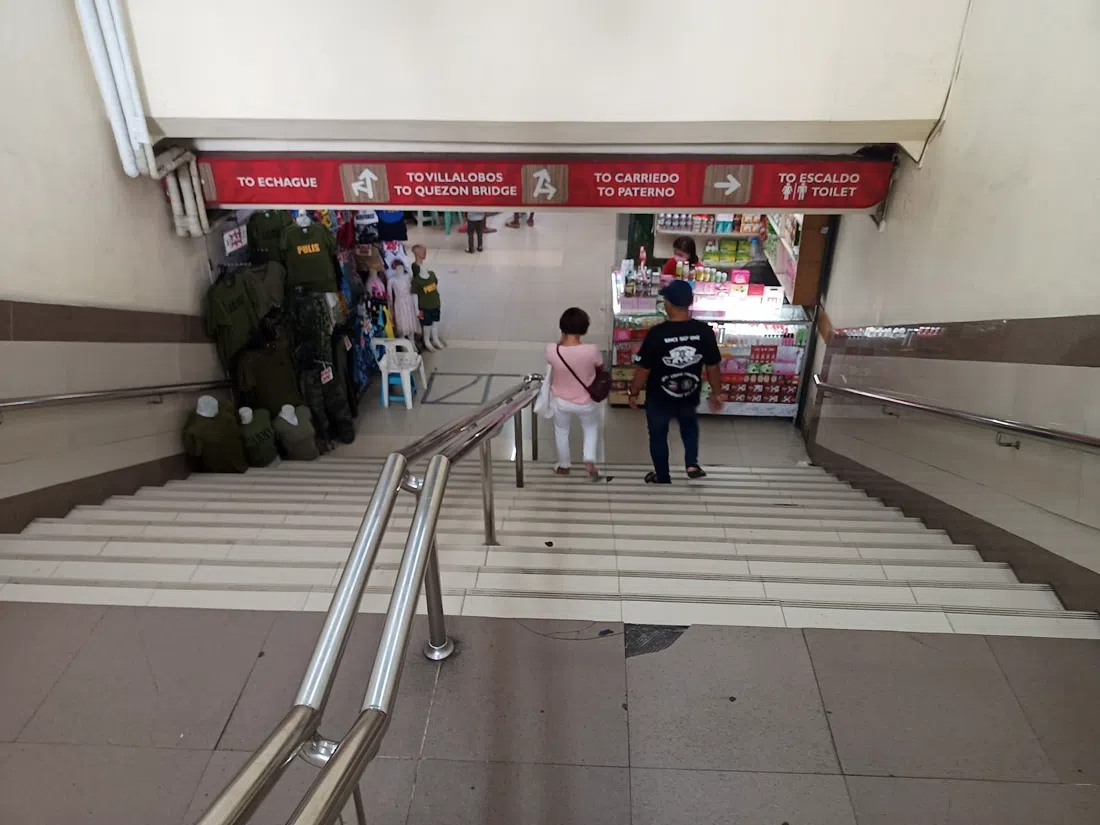
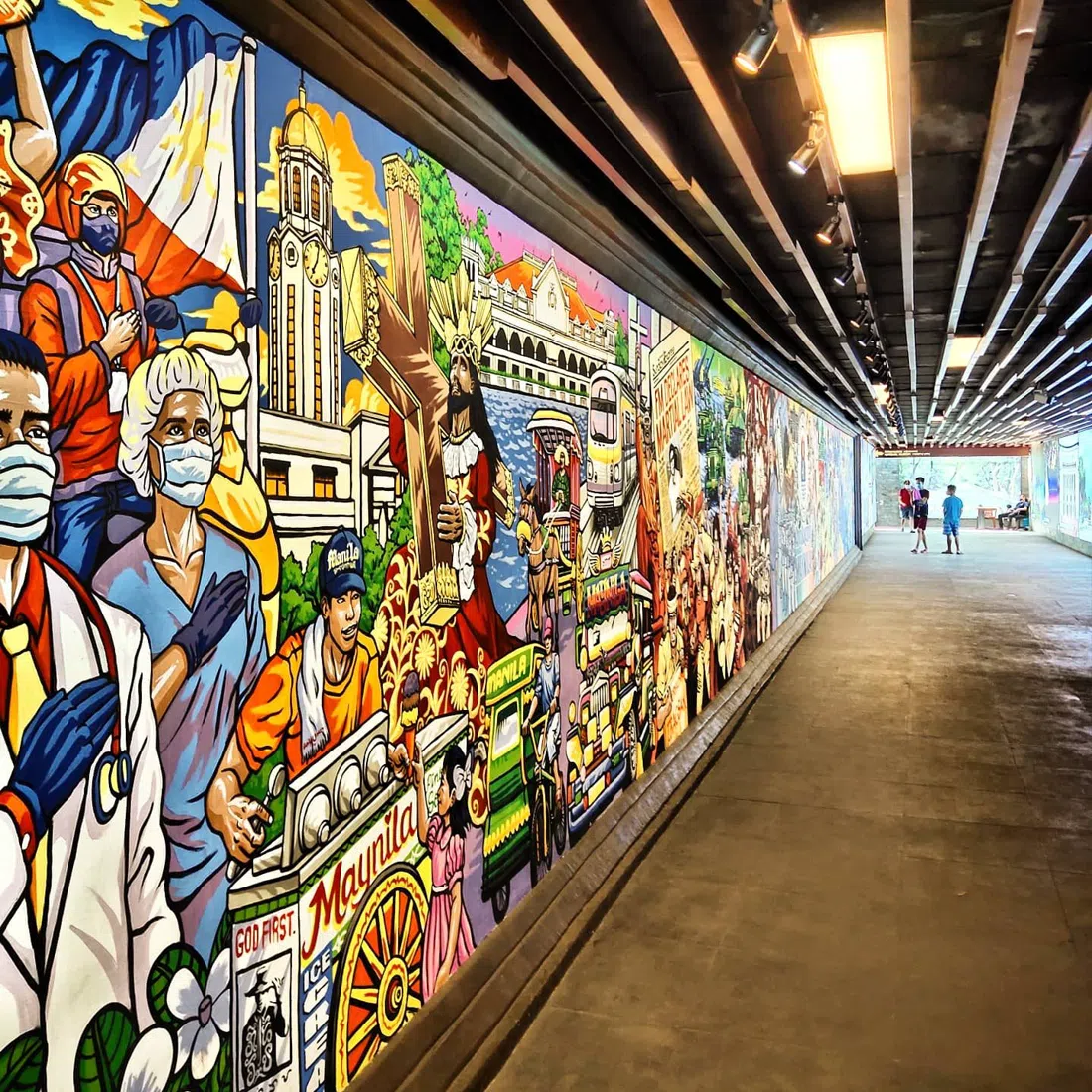
A few minutes' walk away, under Taft Avenue near the church, Lagusnilad Underpass, also in Quiapo, tells the other half of the story: what happens to an underpass bazaar once the city renovates it properly. A 2020 renovation cleared out most of the old vendor stalls in favor of art installations and safety upgrades, and today Lagusnilad functions as a mural corridor rather than a bazaar — a free, well-lit, guarded five-to-ten-minute walk-through that suits a group of any size. The one thing to check before you route people here is the weather: it floods in heavy rain, and a downpour can close it without much warning.
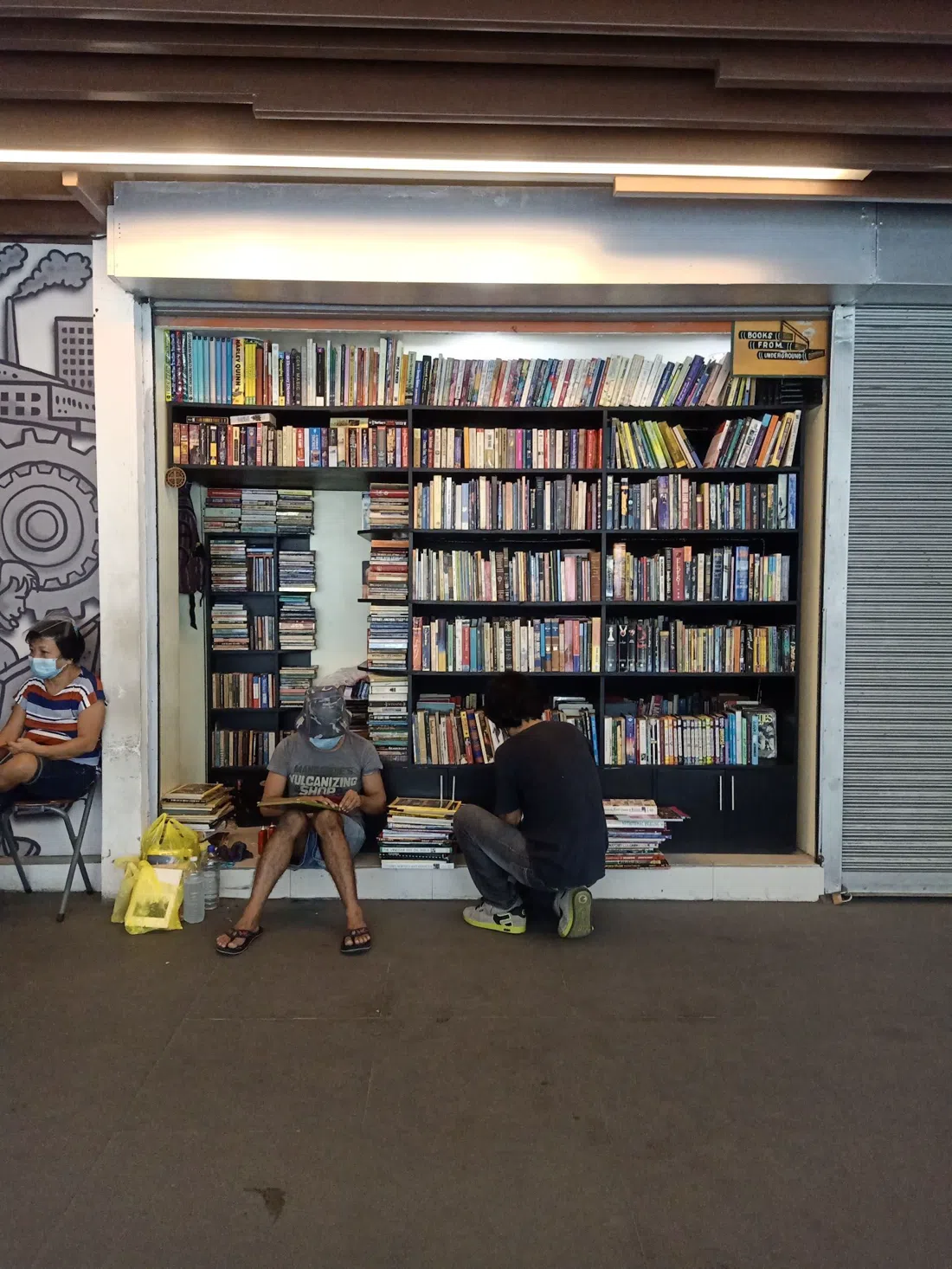
Lagusnilad's one holdout from before the renovation is worth a special stop. Books from Underground, tucked into the tunnel in Quiapo, is a single narrow secondhand-book stall that's been run by the same two founders since 2009 — the underpass's lone surviving pre-renovation tenant. It survived a 2019 eviction scare and a 2024 flood, and it's become the actual reason most visitors come down into the tunnel now, more than the murals. Books go for ₱50 to ₱300. It's one stall, not built for a crowd browsing at once, so it's best treated as a quick, characterful stop for two or three people rather than a whole group descending at once.
Makati's Underground Grid
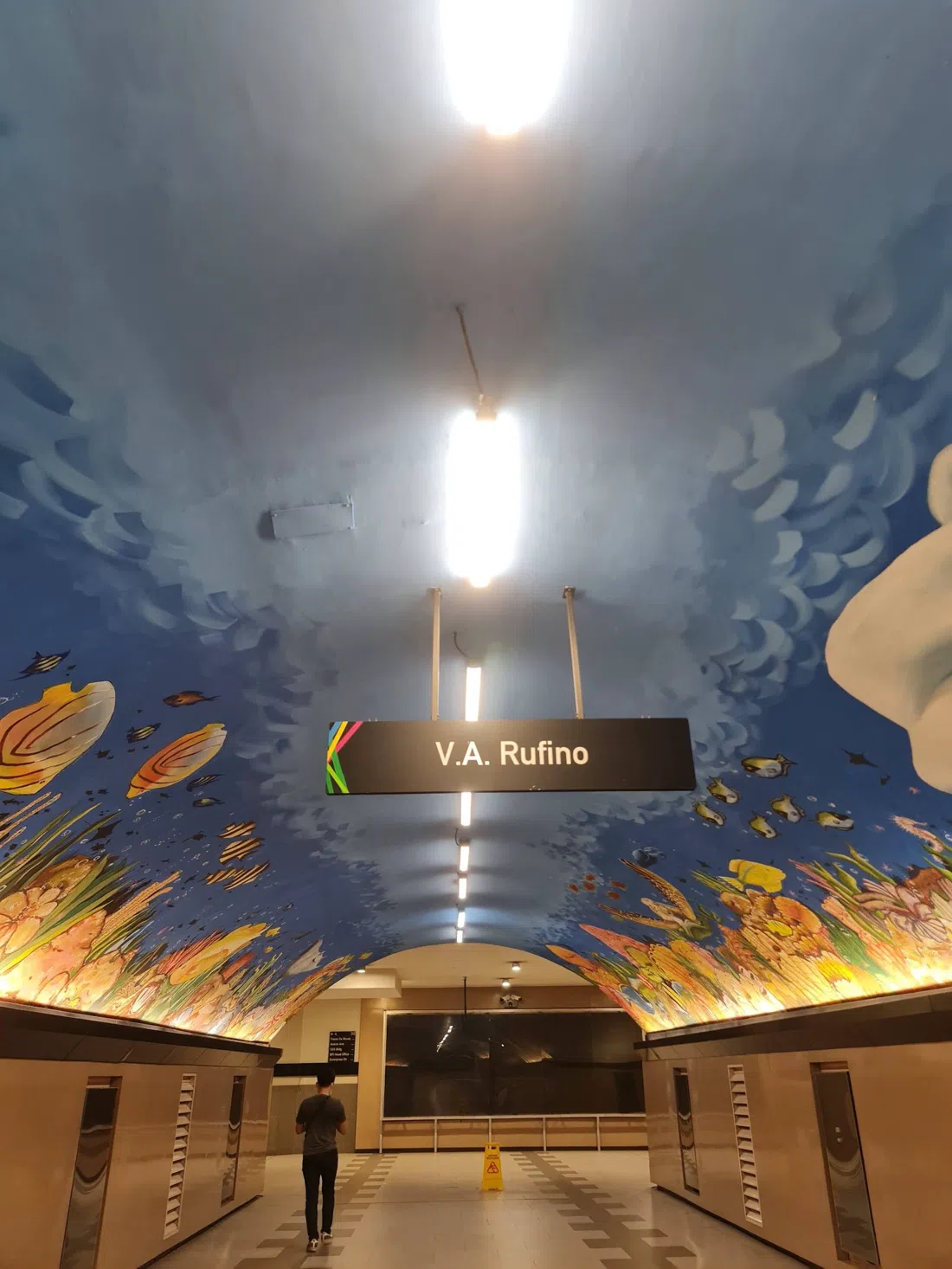
Cross the city to Makati and the undermall changes character entirely. The Makati CBD Underpass Network is the closest thing Manila has to a literal undermall in the mall-developer sense: a genuine underground route connecting Ayala Triangle, Salcedo Village and Legazpi Village without ever coming up for air. It was built for commuter volume, so it swallows groups easily — the problem for first-timers isn't crowding, it's navigation. The tunnels aren't signposted as one continuous route, and it's easy to lose your bearings between sections. The tunnels themselves are murals and pedestrian connectors rather than shops, so treat the network as the corridor and pair it with a destination above ground or one level down.
That destination is a short walk away. Makati Cinema Square, on the lower ground and basement levels off Makati Avenue, is one of the odder retail spaces in the city and one of its best-loved: thrift racks sit next to a shooting range, which sits next to a vinyl and collectibles shop, all under one low ceiling. It's a genuinely thriving basement that's survived multiple redevelopment scares intact. It suits small groups of thrifters and browsers well, though it runs warm and crowded on weekends, and first-timers are routinely startled to find an archery and airsoft range wedged between the clothing stalls. Thrift finds start around ₱100; records and collectibles run higher depending on what's in stock.
The Upscale Basement
Not every part of the undermall is a bargain hunt. Two basements show the other end of the spectrum — where going underground to shop is a habit for anyone, not just for budget or informal trade.
Marketplace by Rustan's, in the basement of Power Plant Mall in Rockwell, Makati, is Manila's upscale answer to the underpass bazaars: wide aisles, easy trolley access, imported and specialty groceries at prices to match ($$$). It's comfortable for groups but works better as a browse-and-graze stop — sampling cheeses, picking a bottle of wine — than as a market crawl with a shopping list. Rockwell itself is one of the city's more residential, business-district pockets, and Rustan's basement fits that register.
The Landmark, on Makati Avenue, is the more useful of the two if visitors actually want to buy something at a real bargain. Its basement is a big, flat, well-signed floor of groceries and housewares, consistently cheaper than SM or Rustan's, and popular with balikbayans stocking up on pasalubong before a flight home. It's less atmospheric than Rustan's basement or the Quiapo underpasses — this is a supermarket, not a scene — but it's an easy stop for a group of any size, and the one on this list most worth budgeting real shopping time for rather than just a look.
BGC and the South: The Same Habit, Formalized
The undermall doesn't stop at Quiapo and Makati; it's just less visible where the city is newer. Uptown Mall, on the basement level in Bonifacio Global City, shows what the underground-shopping habit looks like once a developer formalizes it: wide, modern, air-conditioned, easy for larger parties or families, with mid-range supermarket and food-court pricing ($$). It's a useful contrast to stand next to the Quiapo underpasses — the same basic idea, go below ground to shop and eat, dressed for BGC instead of 1961.
Further south, Festival Mall in Alabang carries the habit into the suburbs. Its Lower Ground West Wing is one of the largest basement retail floors in the south of Metro Manila, built for family-sized shopping trips rather than a quick browse, with mass-market supermarket pricing ($). It's included here mostly for geography: this is what the undermall looks like once Quiapo-style tunnels give way to suburban basement supermarkets — the same instinct, a different generation of building.
Planning the Route
A full undermall crawl doesn't fit in one afternoon, and it shouldn't try to. Quiapo and Makati are the two anchors: pair Victory Lacson Underpass, Lagusnilad and Books from Underground as one Quiapo leg, and the Makati CBD Underpass Network with Makati Cinema Square as a second leg on another day, ideally finishing at Rustan's or The Landmark for something to actually buy. Uptown Mall and Festival Mall are better folded into a day that already has you in BGC or Alabang for other reasons than visited on their own. If you're building a wider itinerary around the city, the Manila guide has the rest of what's above ground, and the Manila hotel search is worth checking before you commit to a Quiapo-versus-Makati base, since the two underground legs sit on opposite sides of the city.
Getting There, Cash, and Timing
Transport. Quiapo's underpasses sit within walking distance of LRT-1's Carriedo station, which is the simplest way in if you're coming from elsewhere in the city — driving into Quiapo and parking near the church is more trouble than it's worth. The Makati CBD Underpass Network connects directly to the Ayala MRT-3 station, so arriving by rail drops you straight into the tunnel system rather than onto the street above it.
Cash. Bring small peso bills for the underpass stalls in Quiapo and for Makati Cinema Square — vendors there deal in cash, and change for large notes can be hard to come by in a crowded aisle. The malls (Power Plant, The Landmark, Uptown, Festival) all take cards as you'd expect of a supermarket basement.
Timing. Quiapo gets significantly more crowded around Friday devotions at Quiapo Church, which spill straight into the underpasses — worth avoiding if you want to actually move through Victory Lacson rather than stand still in it. Check the forecast before routing anyone through Lagusnilad; it's the one stop on this list that closes on you rather than just getting busy.
Budget. The range runs from a ₱50 secondhand paperback to a $$$ grocery basket at Rustan's, and that spread is really the point of the undermall — it's not a single price tier or a single kind of shopping, it's the same below-ground instinct showing up at every level of the city.